Why Is PCB Assembly Equipment Essential for Global Buyers?
For global buyers, pcb assembly equipment is more than a purchase. It is a decision about quality, capacity, and long-term resilience. A placement machine may install thousands of components per hour. A reflow oven must maintain stable thermal profiles across different board designs. Inspection systems must detect tiny solder bridges before they become costly field failures.
The details matter.
Michael Ford, a senior industry strategist at Aegis Software, has described the modern factory this way: “The factory of the future is not just automated; it is connected, intelligent, and adaptive.” This view explains why buyers study complete production lines, not isolated machines. They compare feeder accuracy, software integration, changeover time, maintenance access, and technical support. They also examine whether equipment can handle changing products, tighter packages, and smaller batches.
Cost alone can mislead.
A cheaper machine may require more manual adjustment. It may also create hidden expenses through downtime, spare parts, or difficult training. Experienced buyers request sample runs, process data, and references from similar factories. They ask practical questions about calibration, remote diagnostics, and local service response. These steps provide stronger evidence than attractive catalog claims.
Still, no pcb assembly equipment removes every production risk. Operators make mistakes. Materials vary. Software settings can be overlooked. That limitation deserves honest attention. Reliable results depend on equipment, people, documented procedures, and continuous improvement working together. This article examines why global buyers treat assembly equipment as a strategic investment rather than a simple factory expense.
What PCB Assembly Equipment Includes and How It Works
Why Is PCB Assembly Equipment Essential for Global Buyers?
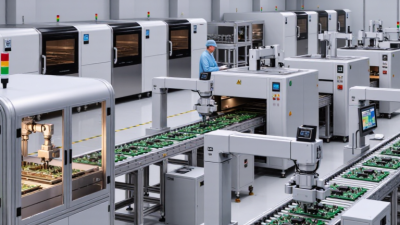
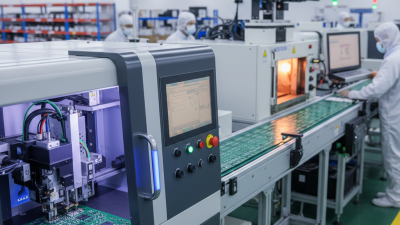
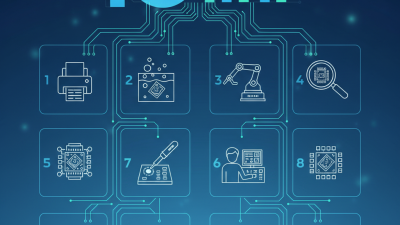
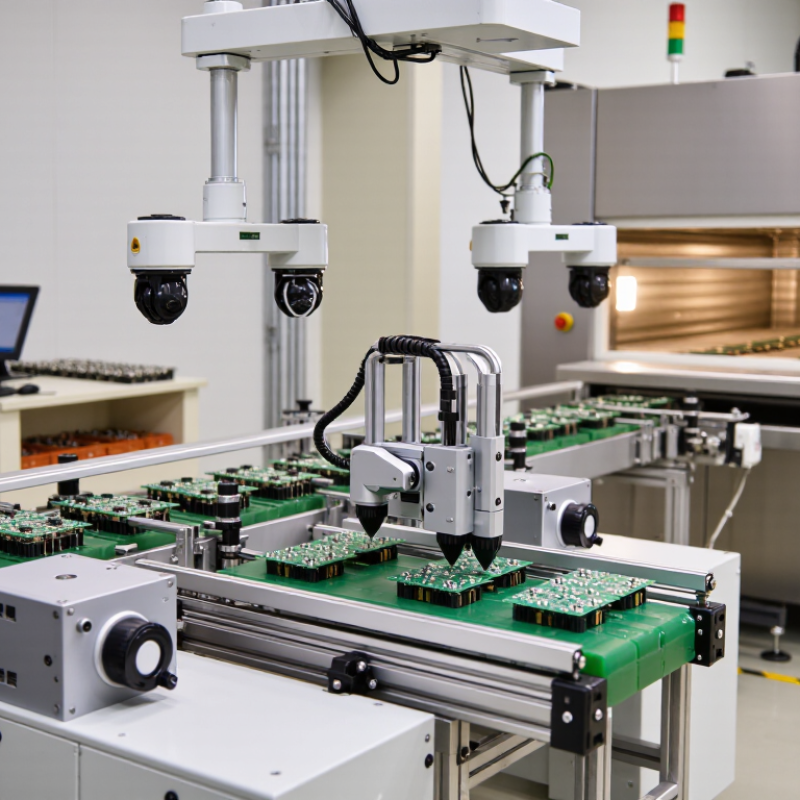
PCB assembly equipment covers the machines that place, solder, inspect, and test electronic components. A typical line begins with a stencil printer, which applies solder paste to copper pads. A pick-and-place machine then positions tiny components with controlled speed and accuracy. The boards move through a reflow oven, where heat melts the paste and creates reliable joints.
Inspection tools
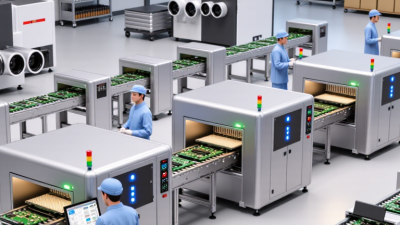
Inspection tools check whether components are missing, tilted, or poorly soldered. Automated optical inspection uses cameras to compare each board with defined standards.
Production line equipment
Some production lines also include solder paste inspection, cleaning systems, conveyors, depaneling machines, and electrical testers.
In practice, equipment must match board size, component density, production volume, and local power requirements. Documentation matters too. A buyer needs clear maintenance instructions, process records, and accessible technical support. A faster line is not always a better line.
Tips:
- Ask for sample boards before selecting equipment.
- Confirm temperature profiles, placement accuracy, changeover time, and operator training.
- Check whether replacement parts can cross borders without long delays.
- Simple interfaces help, but they should not replace proper training.
- Leave room for calibration and inspection.
- Small process gaps often become expensive quality problems.
- Even experienced teams can overlook humidity, paste storage, or feeder maintenance. That is worth reviewing.
Key Production Stages Supported by PCB Assembly Equipment
PCB assembly equipment supports every critical production stage, from bare boards to tested products. Each stage controls quality, speed, and repeatability for global buyers.
During solder paste printing, a stencil deposits precise paste onto each pad. Small shifts matter. SPI equipment checks paste height, area, and alignment before components are placed. Pick-and-place machines then position tiny resistors, processors, and connectors with controlled accuracy. Reflow ovens heat the board through measured temperature zones, creating reliable solder joints. After cooling, AOI systems inspect missing parts, bridges, polarity, and placement errors. Electrical testing can reveal faults that visual inspection cannot detect.
Tips: Ask suppliers for process records, inspection images, and sample test reports. Confirm equipment supports your board size, component range, and production volume. Traceability software should connect defects with operators, batches, and machine settings. This evidence helps buyers compare factories beyond attractive pricing.
In production reviews, I have seen a clean-looking board fail because one connector was poorly soldered. That gap matters. Equipment reduces such risks, but it does not replace skilled technicians or regular calibration. Machines can repeat mistakes very efficiently. Global buyers should examine maintenance routines, operator training, and corrective-action records before approving a production partner. A stable process is often more valuable than impressive equipment alone.
Why Equipment Precision Matters for Global PCB Buyers
Why Is PCB Assembly Equipment Essential for Global Buyers?
For global PCB buyers, equipment precision is not a technical luxury. It directly affects yield, delivery stability, and field reliability. A placement error of a fraction of a millimeter can weaken solder joints or create hidden shorts. These defects may survive visual inspection. They can appear months later. Precision matters.
Reliable assembly lines control placement force, feeder accuracy, solder temperature, and conveyor speed. They also record calibration results and process changes. This evidence helps buyers compare suppliers objectively. During supplier audits, ask for measurement records, maintenance schedules, and sample inspection data. A machine should repeat the same result, not merely achieve one good board. Automated optical inspection and X-ray inspection provide useful evidence, especially for fine-pitch components and concealed solder connections. Still, inspection cannot repair poor settings.
Practical buying decisions should include component variation, humidity, packaging, and operator training. These details often explain why identical designs perform differently in different factories. Engineers should review trial-run data before approving volume production. No process is perfect. Even advanced equipment needs calibration. A small weakness in documentation can become a large quality problem later. Buyers may also request traceability from paste printing through final electrical testing. That transparency supports dependable sourcing, although it requires time and disciplined cooperation from both sides.
How Automation Improves Quality, Speed, and Production Capacity
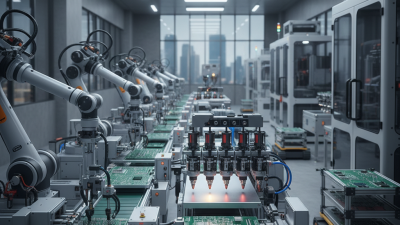
For global buyers, PCB assembly equipment is essential because automation connects quality, speed, and production capacity. A controlled pick-and-place system positions components with repeatable accuracy. Automated solder paste inspection can detect uneven deposits before reflow. This prevents small defects from becoming expensive board failures. In production reviews, clear process data also helps engineers identify recurring errors and verify corrective actions.
Speed matters, but speed without control creates waste. Modern assembly lines can change programs, feed components, and inspect boards with fewer manual delays. A stable reflow profile improves solder consistency across different board areas. Traceability records can show when a board was assembled, inspected, and released. This evidence supports supplier evaluation and more reliable purchasing decisions. Still, automation is not magic. Poor feeder setup, incorrect files, or weak maintenance can reduce accuracy quickly. That part is often underestimated.
Tips: Ask for process capability data, inspection coverage, and maintenance records. Check whether the equipment supports your component sizes and expected volumes. Run a sample batch before approving full production. Leave room for human review. Experienced operators may notice unusual sounds, paste behavior, or alignment changes before software reports a fault. That practical judgment remains valuable, especially during new product introduction and urgent capacity changes.
Factors Global Buyers Should Assess Before Selecting Equipment
PCB Assembly Equipment: What Global Buyers Should Assess
PCB assembly equipment is essential for stable production, but global buyers should assess more than placement speed. A fast machine can still create costly delays when feeders, software, or service support are poorly matched. Real production evidence matters. Ask for sample boards, cycle-time records, and defect data from similar component mixes. Inspect solder joints under magnification, not only dashboard claims.
Before selecting equipment, evaluate process compatibility. Check board size, component range, package types, throughput, and changeover time. A line handling tiny components may struggle with tall connectors or flexible substrates. Confirm electrical requirements, compressed-air quality, ventilation, and floor loading. These details affect installation costs. They are easy to overlook. Software integration deserves equal attention. Equipment should exchange usable data with inspection, traceability, and factory systems. Ask whether operators can learn the interface quickly and recover from alarms safely.
Global purchasing adds practical risks. Review spare-parts availability, remote diagnostics, training hours, warranty terms, and local technical response. Time-zone coverage can matter during a night-shift failure. Request documentation in the working language. Verify safety certifications and regional compliance before shipment. Total cost is not just the invoice. Energy use, calibration, maintenance labor, and rejected boards shape the real return. A common mistake is overvaluing a low purchase price while underestimating setup friction. That judgment is understandable, but incomplete. Pilot testing may expose uncomfortable limitations early.