How Much Does PCB Manufacturing Cost in 2026? There is no reliable single price for a circuit board. A simple, two-layer prototype and a multilayer production panel have very different cost drivers. Board size, layer count, copper weight, material, tolerances, order quantity, and delivery speed all matter. Small changes matter.
Industry reports help explain the market, but they do not replace a project-specific quote. Prismark’s PCB industry analyses track production value, technology, and regional manufacturing patterns. IPC’s North American PCB industry reports monitor indicators such as sales, orders, and book-to-bill trends. These sources offer useful context on capacity and market conditions, not universal prices per board. The distinction matters: a market trend cannot tell you what a particular stack-up, finish, or inspection requirement will cost.
This guide examines pcb manufacturing cost in 2026 through the details buyers can verify: specification, quantity, fabrication region, and quoted lead time. A four-layer board with fine-pitch features may need tighter process control than a basic two-layer design. A larger order can reduce the cost per board, though setup and testing still affect the total. Ask for a quote that separates fabrication, tooling, testing, and shipping where possible. Then compare identical specifications, not just headline prices. One caveat remains: early estimates can be wrong when design files or material choices change. That is worth admitting. A dependable budget begins with clear requirements and a current supplier quote.
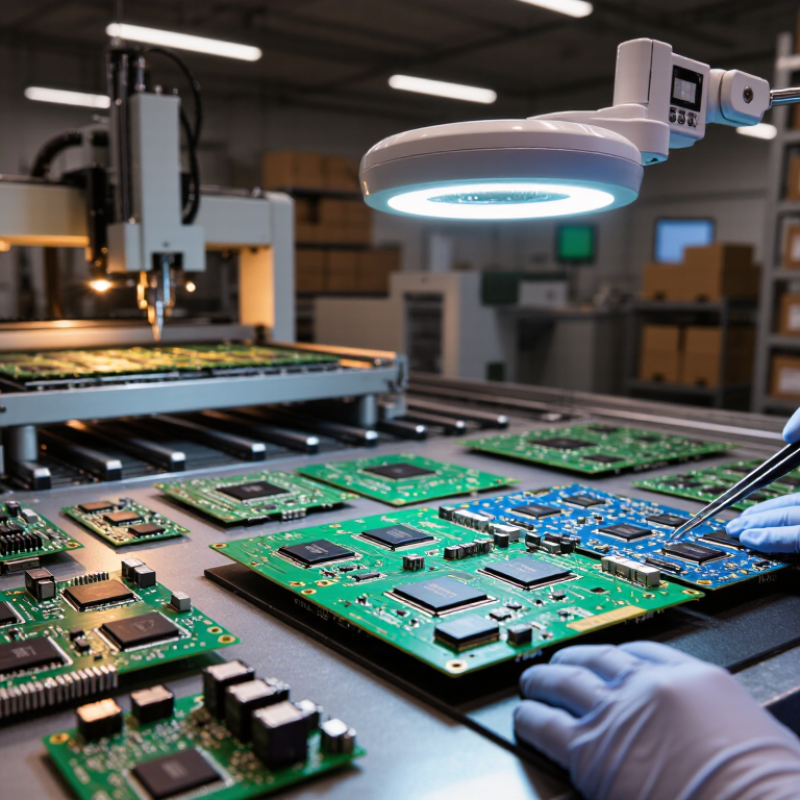
In 2026, PCB manufacturing cost covers more than the bare board. A quote may include engineering review, file checks, panel setup, and production tooling. These steps help catch issues such as narrow spacing or mismatched drill files before fabrication. The board’s material also matters. Standard glass-reinforced laminate usually costs less than specialized materials designed for heat or high-frequency signals. Layer count, copper thickness, board dimensions, and order quantity all affect the estimate. Small details add up.
Fabrication charges may include drilling, plating, etching, solder mask, and surface finish. More complex finishes or tighter tolerances can raise the cost. Electrical testing is often included, but its method and coverage should be confirmed. Some quotes list packaging and shipping separately; taxes and expedited production may also be excluded. In 2026, material availability and factory capacity can change lead times and pricing. A low quote is not always the lowest total cost. I’ve seen estimates become confusing when assumptions were left unstated.
Tips: Compare quotes using the same board files, quantity, finish, and delivery terms. Ask whether setup, testing, and shipping are included. Check the stated tolerance and panelization plan. If a quote seems unusually low, request a written breakdown. It may reveal a missing process—or a real saving. Don’t guess.
| Cost Item or Order Example | Typical Estimate (USD) | What the Price Covers | Assumptions and Notes |
|---|---|---|---|
| Standard 2-layer prototype | $5–$30 per small order | Bare-board fabrication, including FR-4 material, copper patterning, drilling, plating, solder mask, silkscreen, surface finish, and basic electrical testing. | Illustrative range for a small batch, such as 5 boards around 100 × 100 mm, with standard thickness and copper weight. Shipping and tax are usually extra. |
| Standard 4-layer prototype | $20–$80 per small order | Multilayer board fabrication, including layer alignment and lamination, plus the standard processes listed for a 2-layer board. | Illustrative range for a small batch of standard-size FR-4 boards. Smaller quantities and larger board sizes can raise the unit cost. |
| Standard 6-layer prototype | $50–$180 per small order | Six-layer bare-board fabrication, including additional inner-layer processing and lamination. | Illustrative range for a small batch. Tight tolerances, controlled impedance, unusual materials, or extra-thick copper can increase the quote. |
| 2-layer production order | $80–$300 for about 100 boards | Repeated fabrication of a standard 2-layer design, with manufacturing setup and basic testing typically included in the quoted board price. | Approximate range for a straightforward FR-4 design. The actual unit price depends on board dimensions, panel utilization, finish, and supplier pricing. |
| 4-layer production order | $150–$600 for about 100 boards | Repeated fabrication of a standard 4-layer design, including multilayer construction and standard finishing. | Approximate range for a straightforward design. More layers, special materials, or tighter electrical and dimensional requirements increase cost. |
| One-time setup or tooling | $0–$50, when charged separately | Possible manufacturing preparation fees, such as data checks, process setup, or tooling-related charges. | Many standard online quotes include or waive setup costs. Check the quote to avoid adding a fee that is already included. |
| Surface-finish upgrade | Often $10–$50 extra for a small order | A finish upgrade, such as electroless nickel immersion gold (ENIG), instead of a standard finish such as HASL. | Varies with order size, board area, and supplier. The standard finish may already be included in the base quote. |
| Expedited manufacturing | Often $20–$100 extra, or a percentage surcharge | Priority production intended to shorten the manufacturing lead time. | Availability and fees vary by layer count, material, order size, and factory capacity. Faster shipping may be charged separately. |
| Shipping | Often $10–$40 for a small parcel | Transport of finished bare boards to the delivery address. | Cost depends on destination, shipping speed, parcel weight, and customs. Import duties and taxes may also apply. |
| PCB assembly | Not included in the bare-board estimates above | Component sourcing and placement, soldering, and any requested assembly inspection or testing. | Assembly is quoted separately and depends on component count, package types, board quantity, sourcing needs, and test requirements. |
| Common factors that change the quote | Depends on design and order | Board area, layer count, quantity, material, copper weight, thickness, minimum trace/space, hole sizes, finish, and delivery speed. | These are indicative 2026 planning ranges, not fixed market prices. Request a current quote using the final fabrication files and specifications. |