Why Choose Auto Darkening Window Film?
Why Choose Auto Darkening Window Film?
Buildings waste substantial energy through poorly controlled glass. The U.S. Department of Energy reports that windows can cause about 25% of residential heating and cooling energy use. The International Energy Agency also estimates that buildings consume roughly 30% of global final energy. These figures make window performance more than a design preference.
Auto Darkening Window Film responds to changing daylight, heat, and glare. It can create a cooler office, protect furniture from harsh sunlight, and improve visual comfort near bright windows. The experience is practical: fewer reflections on a monitor, less squinting, and a more stable indoor atmosphere. Still, the technology is not magic. Film performance depends on glass type, orientation, climate, wiring, and installation quality.
Dr. Stephen Selkowitz, a respected building-science and high-performance-window specialist, has described windows as “the most complex and least understood component of the building envelope.” His observation remains useful here. A darker appearance does not automatically mean better energy savings. Product testing matters.
Lawrence Berkeley National Laboratory research on advanced window systems shows that dynamic glazing can reduce solar heat gain while preserving useful daylight. Yet results vary between buildings. That limitation deserves attention. Choosing Auto Darkening Window Film should involve visible-light transmission, solar heat-rejection data, switching speed, durability, and warranty terms. It should also include real site measurements, not attractive showroom claims.
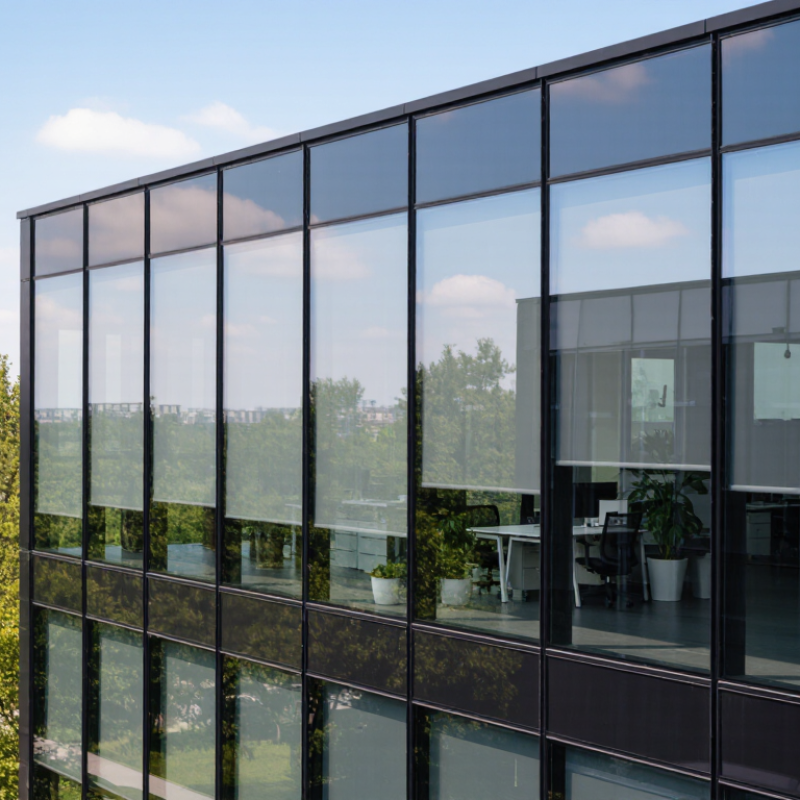
What Auto Darkening Window Film Is and How It Works
Why Choose Auto Darkening Window Film?
Auto darkening window film adjusts the glass response as light conditions change. However, the term can be confusing. Some films use electrochromic materials to reduce visible light. Others use liquid crystal technology to switch between clear and private. When electricity reaches the film, its internal particles align differently. This changes how light passes through the glass. A sensor, timer, or wall control can trigger the change automatically. It feels simple, but the technology is carefully engineered.
In bright afternoon sunlight, the film can make a room more comfortable without blocking the entire view. It may also reduce glare on screens and protect furnishings from prolonged exposure. Yet it is not a complete heat-control solution. Glass type, window direction, and installation quality still matter. I once assumed darker glass would always mean a cooler room. That was too simple. Some installations need shading, ventilation, or insulated glass to perform well. Correct wiring and clean glass preparation are equally important.
Tips: Check whether the product darkens or only becomes opaque. Ask about visible-light transmission and power use. Test one window first. Watch the glass at different times of day. A professional installer should explain switching speed, cleaning limits, and what happens during a power outage.
Key Benefits for Privacy, Comfort, and UV Protection
Why Choose Auto Darkening Window Film?
Auto darkening window film can make privacy more responsive throughout the day. It changes its tint when sunlight increases or when users activate a control. Clear mornings can feel open, while bright afternoons become more discreet. This helps protect personal spaces without permanently blocking the view. In offices, bedrooms, and street-facing rooms, reduced visibility can also create a calmer atmosphere.
Comfort is another practical benefit. Darker glass can limit glare on screens, tables, and polished floors. It may also reduce solar heat entering through windows, especially during peak afternoon sunlight. UV protection matters too. Quality films can filter a significant amount of ultraviolet radiation, helping protect skin, curtains, flooring, and furniture from unnecessary exposure. Performance varies, so checking independent test data is important. The film will not solve every heat problem.
Tips: Test one window first. Observe it at noon and near sunset. Confirm the tint changes evenly, and check whether indoor lighting still feels natural. Keep the control system accessible. Professional installation can reduce bubbles, edge lifting, and uneven appearance. A small detail matters: verify the film’s UV and visible-light specifications before purchase. Some products look impressive but provide less protection than expected. Reflect on the room’s actual use, not only its appearance. A darker setting may improve privacy, yet it can make reading difficult.
Main Types of Auto Darkening Window Film
Why Choose Auto Darkening Window Film?
Auto darkening window film adjusts privacy, glare, and heat control without constant manual changes. The right type depends on the window, power access, and indoor lighting.
Photochromic film reacts to ultraviolet light. It darkens in strong sunlight but may respond slowly behind some glass. Thermochromic film reacts to rising surface temperature. It can reduce heat, although its shade control may feel less predictable. Electrochromic film uses a low electrical current to change tint gradually. It offers steady control, but installation requires careful wiring and professional testing. Suspended particle film switches between clearer and darker states quickly. It suits rooms needing flexible privacy, yet it usually costs more and needs continuous power for some settings.
Tips: Check the glass type first. Ask for measured visible light transmission and heat-rejection data. Test a sample beside the actual window. Daylight can look different indoors. Confirm the control method and backup behavior before installation. In my experience, installers sometimes focus on darkness alone. That is not enough. A very dark film may reduce glare but make a workspace uncomfortable. Review warranty terms, electrical safety, and edge sealing. Small gaps can collect dust and spoil the finished appearance. No option is perfect. Good selection balances comfort, privacy, appearance, and long-term reliability.
Factors to Consider Before Choosing the Right Film
Why Choose Auto Darkening Window Film?
Before choosing auto darkening window film, examine how your windows receive light. A south-facing room may need stronger glare control than a shaded office. Observe the glass for one full day. Morning comfort can differ sharply from afternoon heat. Film response speed also matters. Slow dimming may feel distracting beside a bright monitor. Instant darkening is not always better, though. Sudden changes can make a room feel visually unsettled.
Check the film’s compatibility with your glass type, frame, and climate. Some windows may develop stress from uneven heat absorption. Professional measurement can reduce this risk. Ask for tested data on ultraviolet and infrared reduction, not vague performance claims. Privacy should be evaluated at night, too. Interior lights can make reflective glass less private. A small sample on the actual window is useful. Samples reveal color, haze, and viewing comfort better than online images.
Installation quality deserves equal attention. Dust beneath the film can remain visible in direct sunlight. Electrical models also require safe wiring and a suitable power source. Confirm maintenance needs, control options, and warranty conditions before ordering. Check local building requirements for altered window visibility or electrical work. My first assumption was that darker always meant better. That judgment was too simple. Excessive tint can reduce daylight and increase reliance on indoor lighting. Choose the balance that fits the room, the occupants, and the changing sun.
Installation, Maintenance, and Expected Service Life
Why Choose Auto Darkening Window Film?
Installation quality largely determines how well auto darkening window film performs. A trained installer should inspect the glass, measure electrical access, and remove dust before applying the film. Tiny particles can create visible bubbles near the edges. The U.S. Department of Energy reports that windows may cause 25–30% of residential heating and cooling energy use. Properly selected smart film can reduce solar heat gain, but results depend on glass type, climate, shading, and daily operation.
Maintenance is usually simple. Clean the surface with a soft microfiber cloth and a non-abrasive solution. Avoid blades, ammonia-heavy cleaners, and aggressive scrubbing. Check wiring and edge adhesion during routine building inspections. Industry guidance from the International Window Film Association indicates that quality architectural films may last approximately 10–20 years, while switchable components often depend on operating cycles and electrical conditions. That range is not a promise. Real buildings are messier than test laboratories.
Tips: Keep a service record. Note installation dates, cleaning products, and switching problems. Ask for documented testing of visible transmittance, solar heat gain, and electrical safety. NFRC rating principles provide useful performance references, although they do not guarantee service life. In my experience, neglected wiring causes more trouble than careful cleaning. Still, every project deserves a replacement plan, because even a well-installed film can age unevenly under strong sunlight.
Why Choose Auto Darkening Window Film?
Auto darkening window systems can reduce glare, improve privacy, and limit solar heat without replacing the existing glass. The chart shows commonly used industry planning ranges for expected service life by system type.
Installation
Professional installation requires clean, dry glass, accurate film measurement, careful edge sealing, and electrical testing for powered systems.
Maintenance
Use a soft cloth and a non-abrasive, ammonia-free cleaner. Avoid sharp tools, aggressive scraping, and excessive moisture around electrical connections.
Service Life
Actual service life depends on sunlight exposure, switching frequency, installation quality, temperature, and electrical control components.
Indicative industry planning ranges only; actual performance varies by product construction, environment, and maintenance conditions.