2025 Top Trends in Electrical Equipment and Components You Must Know
In recent years, the landscape of electrical equipment and components has transformed dramatically. With rapid technological advancements, staying abreast of these changes is essential. This evolution influences both industries and everyday consumers. It shapes how we interact with technology daily.
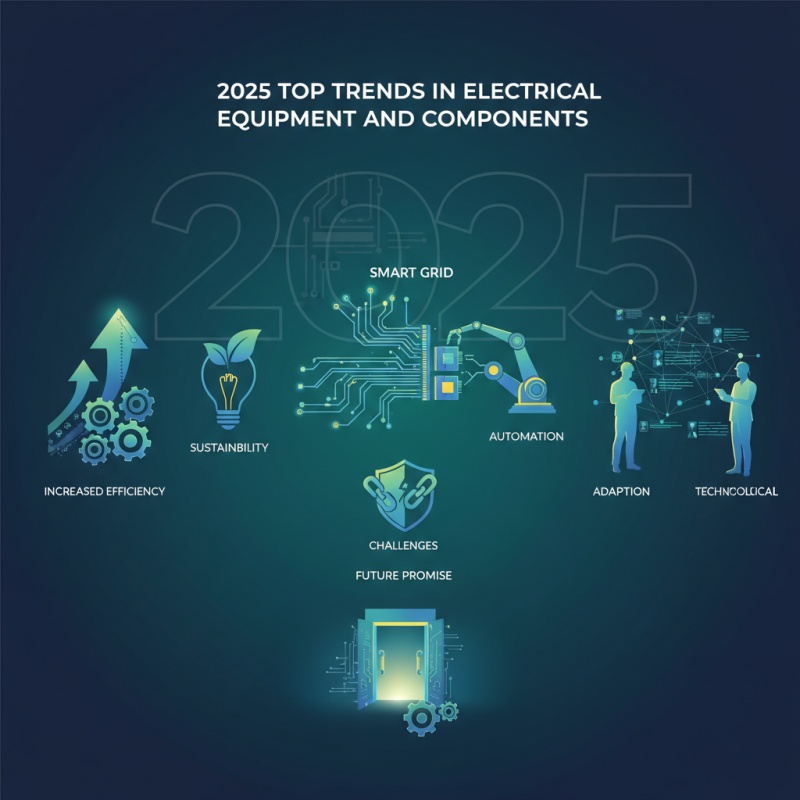
Emerging trends point toward increased efficiency and sustainability. Energy-saving technologies gain traction, reflecting a societal shift toward eco-consciousness. Innovations in smart grids and automation redefine how electrical systems operate. Yet, challenges remain. Many individuals and companies struggle to adapt to these advancements effectively.
As we look toward 2025, understanding these trends is critical. Businesses and consumers alike must consider their roles in this evolving landscape. Embracing these changes can drive progress, but awareness of potential pitfalls is crucial. The future of electrical equipment and components holds promise, yet it demands thoughtful engagement.
Emerging Technologies in Electrical Equipment for 2025
As we approach 2025, emerging technologies in electrical equipment are set to revolutionize the industry. Innovations like smart grids are gaining traction. These systems enhance energy distribution. They promise improved efficiency and reliability. Homeowners will have the ability to monitor energy use in real time. This leads to smarter consumption patterns.
Another exciting trend is the rise of renewable energy sources. Solar panels and wind turbines are becoming more efficient. They are also more accessible to consumers. However, challenges remain. Storage solutions for excess energy are still evolving. Battery technology must continue to improve to support this shift.
Wireless charging is also on the horizon. Imagine charging electric vehicles without a plug. While it sounds convenient, the implementation will require further research and development. The infrastructure for this technology isn’t fully in place yet. There may be obstacles to overcome. The industry must address these hurdles to realize its full potential.
Sustainable Practices in Manufacturing Electrical Components
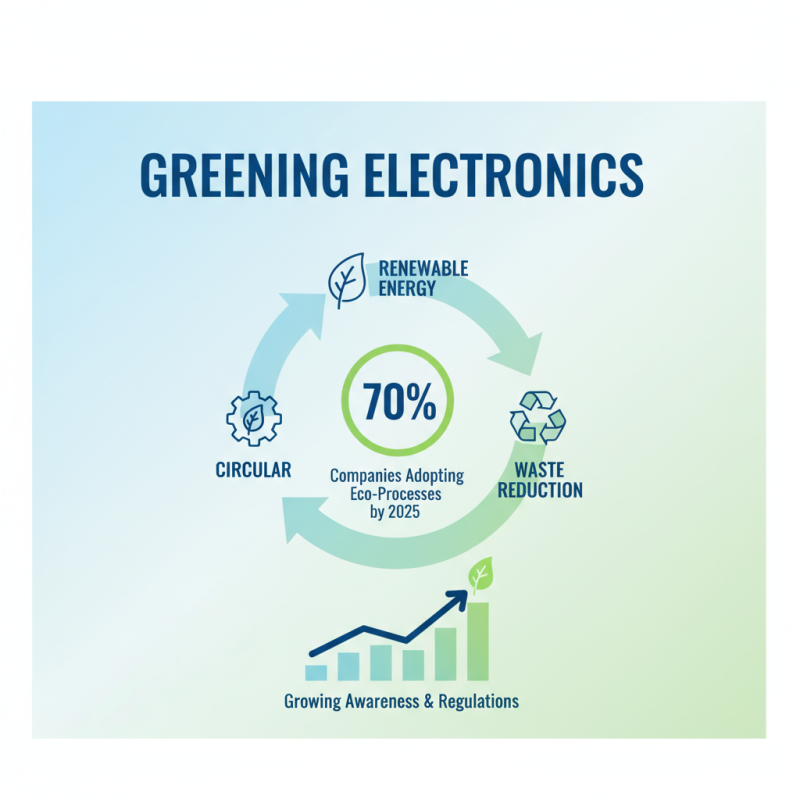
The push for sustainable practices in manufacturing electrical components is gaining momentum. According to recent reports, over 70% of companies in this sector plan to integrate eco-friendly processes by 2025. This shift reflects a growing awareness of environmental impacts and regulatory pressures. Manufacturers are exploring renewable energy sources and waste reduction techniques. For instance, some are adopting circular economy principles, aiming to design products that minimize waste.
However, challenges remain. The transition to sustainable practices often requires significant investments. Many companies struggle with the upfront costs of adopting green technologies. Additionally, there's a talent gap in the industry. Skilled professionals are needed to implement these practices effectively. A report published in 2023 pointed out that nearly 40% of electrical equipment manufacturers lack the necessary expertise to transition to sustainable operations.
While progress is being made, the journey is not flawless. Some companies face backlash over their sustainability claims, often termed as "greenwashing." It's crucial for manufacturers to be transparent about their practices. Clear communication about sustainability goals can help build trust with consumers. A comprehensive, realistic approach is essential as the industry moves towards a greener future.
Smart Devices and IoT Integration in Electrical Equipment
The integration of smart devices with electrical equipment is transforming the industry. More homes and businesses are adopting IoT solutions. Sensors and connected devices enable real-time data monitoring. This increases efficiency and reduces energy consumption.
However, the rush to embrace technology brings challenges. Security vulnerabilities pose a serious risk. Many users lack awareness of these threats. The complexity of integration can lead to installation errors. These mistakes can cause many issues down the line.
Manufacturers are also under pressure. They must balance innovation with user-friendly designs. Not all customers find smart devices intuitive. Education and support become vital for successful implementation. As the market grows, so does the need for reliable solutions. Solutions that address user concerns are essential for trust.
Innovations in Power Distribution and Management Systems
Power distribution and management systems are evolving rapidly. Innovative technologies are enabling smarter grid operations. These systems optimize energy use and reduce waste. One crucial trend is the integration of AI in energy management. By analyzing data, AI helps predict demand and manage loads effectively.
Another significant shift is the use of renewable energy sources. Solar and wind power are gaining traction. They play a vital role in reducing carbon footprints. However, challenges remain, such as energy storage and grid reliability. Implementing effective storage solutions is essential.
Microgrids are also on the rise. They provide localized energy solutions. This approach enhances resilience, especially during outages. Yet, establishing and managing these systems can be complex. Striking the right balance between innovation and practicality is necessary. Such advancements promise a brighter, more sustainable future in power distribution.
2025 Top Trends in Electrical Equipment and Components You Must Know
| Trend |
Description |
Impact Area |
Expected Implementation Year |
| Smart Grid Technology |
Integration of IoT for real-time monitoring and management |
Power Distribution |
2025 |
| Energy Storage Systems |
Advancements in battery technology for efficient energy use |
Power Management |
2025 |
| Renewable Energy Integration |
Seamless connection of renewable sources to the grid |
Sustainability |
2025 |
| Electric Vehicles (EVs) |
Infrastructure development for widespread EV adoption |
Transportation |
2025 |
| Digital Transformation |
Use of AI and machine learning for predictive maintenance |
Efficiency |
2025 |
Trends in Renewable Energy Solutions and Electrical Components
The renewable energy sector is on the rise. Analysts predict that by 2025, renewables will account for over 30% of global electricity generation. Solar and wind power are leading this transition, gaining traction across numerous markets. With falling costs and technological advancements, more households are investing in these solutions.
Electrical components play a critical role in supporting this trend. Smart grids, energy storage systems, and efficient inverters are essential for integrating renewables. For instance, the market for energy storage is projected to grow by 30% annually through 2025. This rapid growth may bring challenges. Not all solutions are scalable, and some regions struggle with infrastructure upgrades.
Moreover, there's an increasing need for skilled professionals in this field. Companies face difficulties hiring qualified engineers for renewable energy projects. This skills gap could hinder progress in achieving ambitious renewable targets. The disparity between supply and demand in the labor market remains a concern. As the industry evolves, continuous reflection on workforce development is vital.