7 Best Electronic Assembly Equipment Manufacturers

7 Best Electronic Assembly Equipment Manufacturers

Choosing the right electronic assembly equipment manufacturer can shape an entire production line. It affects placement accuracy, cycle time, maintenance costs, operator safety, and long-term product quality. A modern factory may depend on screen printers, pick-and-place machines, reflow ovens, inspection systems, feeders, and software that connects every stage.

Michael Ford, a well-known electronics manufacturing specialist, often emphasizes the importance of measurable production control: “If you cannot measure the process, you cannot improve it.” This principle matters when comparing equipment suppliers. A machine may look impressive in a demonstration, yet perform differently with fine-pitch components, heavy boards, or mixed production volumes.

This guide examines seven leading electronic assembly equipment manufacturers. The comparison considers machine precision, automation capabilities, technical support, software integration, energy use, and suitability for different factory sizes. It also considers practical details, such as feeder changeover time, nozzle availability, inspection speed, and service response.

Real factories are rarely perfect. Dust enters. Components vary. Operators make mistakes. Even advanced equipment needs thoughtful setup and regular calibration. That point is easy to overlook.

The selected manufacturers have established industry experience and broad product portfolios. Still, no supplier is ideal for every application. A high-volume automotive line has different requirements from a small medical-device workshop. Buyers should validate claims through trials, reference checks, and total-cost analysis.

Performance matters most. Not marketing language.
7 Best Electronic Assembly Equipment Manufacturers

What Is Electronic Assembly Equipment and Why Does It Matter?

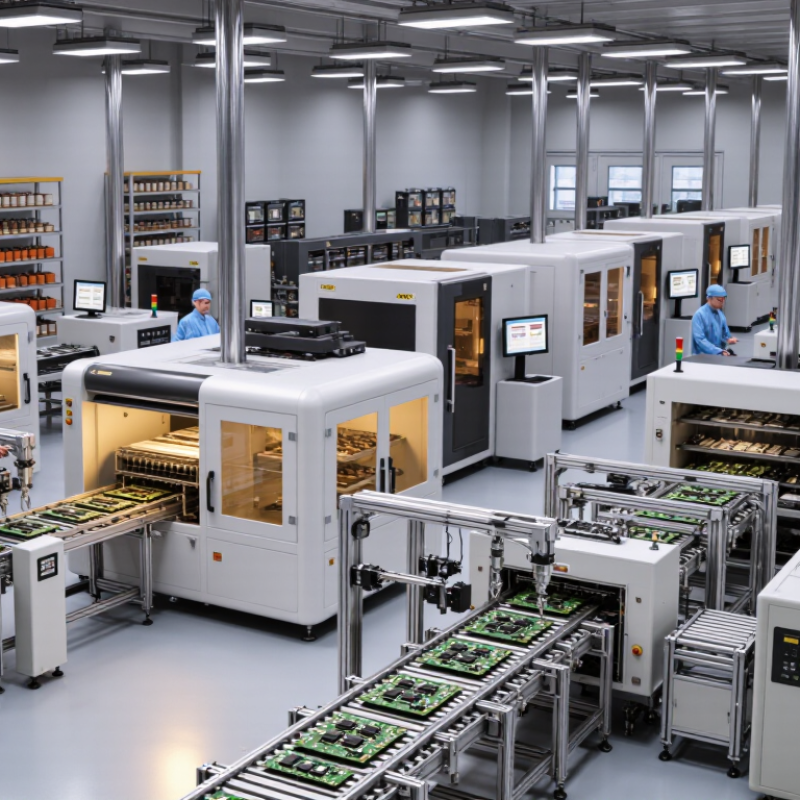
Electronic assembly equipment includes the machines used to place, connect, inspect, and test components on circuit boards. A typical production line may use a solder paste printer, pick-and-place machine, reflow oven, and automated optical inspection system. Each machine controls a different risk, from uneven paste deposits to misplaced components and weak solder joints.

In practical production, equipment quality directly affects consistency. A precise placement machine can position hundreds of components with repeatable accuracy. A stable reflow oven controls temperature zones carefully, helping solder form reliable connections. Inspection equipment then checks for missing parts, bridging, polarity errors, and visible defects.

Small errors grow.

Good equipment also improves traceability and worker safety. Modern systems can record machine settings, inspection images, repair actions, and production results. Engineers can review these records when a board fails testing. This evidence supports faster troubleshooting and more disciplined process control. It also helps operators avoid unnecessary manual handling near heated or moving equipment.

The best choice is not always the fastest machine. Production volume, board complexity, component size, maintenance access, training needs, and factory space all matter. In my experience, neglected maintenance can reduce the value of expensive equipment quickly. Filters clog, feeders drift, and calibration becomes overlooked. That part matters. A reliable line needs skilled people, documented checks, suitable spare parts, and realistic performance targets. Equipment matters because it turns assembly from a fragile manual task into a measurable manufacturing process, although no machine removes the need for human judgment.
How to Evaluate Electronic Assembly Equipment Manufacturers

7 Best Electronic Assembly Equipment Manufacturers

How to Evaluate Electronic Assembly Equipment Manufacturers

Choosing among the seven leading electronic assembly equipment manufacturers requires more than comparing purchase prices. A polished brochure proves little. Review placement accuracy, feeder stability, soldering consistency, inspection resolution, and software compatibility. Ask for production data from similar board sizes and component types. A machine that handles prototypes may struggle during continuous factory shifts.

Request a live demonstration using your actual materials. Watch how operators load feeders, clear errors, and change product settings. Measure setup time with a stopwatch. Check whether the interface shows clear alarms instead of confusing codes. Spare-part availability also matters. A delayed sensor or nozzle can stop an entire line. Speak with current users, not only sales representatives.

Reliable manufacturers provide installation plans, operator training, maintenance schedules, and documented service response times. Examine calibration records and safety certifications carefully. Ask how remote support protects production data. Total ownership cost includes energy use, consumables, software updates, and technician visits. The lowest quotation may become expensive after eighteen months. My own evaluation process would not be flawless; supplier claims still need independent verification. That small doubt is useful. It encourages factory trials, reference checks, and written performance conditions before signing.

7 Leading Electronic Assembly Equipment Manufacturers

The seven leading electronic assembly equipment manufacturers are competing on precision, uptime, and measurable production gains. Their portfolios usually cover solder paste printing, component placement, dispensing, reflow, inspection, cleaning, and electrical testing. In factory audits, I look beyond brochure speed. A stable feeder, clear software alerts, and accessible service panels often matter more than peak throughput. Small interruptions become expensive across three shifts.

SEMI reported global semiconductor manufacturing equipment sales of 106.3 billion dollars in 2023. That figure shows the scale of investment surrounding advanced production, although semiconductor equipment does not represent assembly alone.

For assembly buyers, IPC industry reports repeatedly highlight material costs, labor shortages, and demand uncertainty as major operational pressures. Therefore, leading manufacturers must support flexible changeovers, traceability, and reduced operator dependence. Vision inspection should detect misplaced components clearly, not merely generate more alarms.

No ranking is perfect. Equipment performance depends on board mix, operator skill, maintenance discipline, and factory layout. A fast placement platform can underperform beside a weak printer. I have also seen impressive inspection systems create excessive false calls when lighting and library data were poorly configured. Buyers should request live cycle-time evidence, defect samples, spare-parts availability, and service-response data. Independent acceptance testing remains essential. It exposes assumptions that polished demonstrations can hide.

Comparing Equipment Capabilities, Technologies, and Support

7 Best Electronic Assembly Equipment Manufacturers

Comparing Equipment Capabilities, Technologies, and Support

Choosing assembly equipment requires more than comparing advertised speed. In factory evaluations, I examine placement accuracy, feeder stability, solder control, software usability, and changeover time. A machine placing 50,000 components per hour may still underperform if feeders cause frequent stops. Vision systems should detect shifted parts, poor solder joints, and board warpage before defects multiply. Modular platforms also help manufacturers adapt to smaller batches and mixed component sizes.

Technology matters, but support often decides production reliability. Ask whether engineers provide on-site installation, operator training, remote diagnostics, and practical maintenance schedules. Check spare-part availability in your region. A delayed sensor or nozzle can stop a line for hours. Equipment should also communicate clearly with inspection systems and factory software. I once focused too heavily on placement speed and underestimated software learning time. That mistake increased changeover delays. Real performance is sometimes less impressive than the brochure.

Tips: Request a live demonstration using your actual boards and components. Measure feeder changes, first-pass yield, noise, and recovery time after a simulated fault. Review service contracts carefully, including response times and calibration support. Ask current users about recurring problems, not only successful installations. Leave room for uncertainty. Real production rarely matches a perfect test run.

How to Choose the Right Manufacturer for Your Production Needs

Choosing an electronic assembly equipment manufacturer starts with your production reality, not a glossy catalogue. Define board size, component range, takt time, changeover frequency, and expected yield. A supplier experienced with fine-pitch packages may still struggle with heavy connectors. Ask for process trials using your actual boards and materials. Real evidence matters.

The equipment should provide measurable performance. Compare placement accuracy, first-pass yield, cycle time, feeder capacity, and unplanned downtime. The International Federation of Robotics reported 553,052 industrial robots were installed worldwide in 2022, a 12% annual increase. This growth shows stronger automation demand, but automation alone does not guarantee stable output. Request factory acceptance tests, sample production data, and clear acceptance limits.

Service capability often decides long-term value. Check local response times, spare-parts availability, software training, and preventive-maintenance procedures. IPC industry surveys have repeatedly identified supply-chain disruption and skilled-labor shortages as major electronics manufacturing concerns. A dependable manufacturer should address both risks through remote diagnostics and practical operator training. Do not overlook integration. Poor communication between printers, placement machines, inspection systems, and reflow equipment can create hidden delays.

A lower purchase price can become expensive after installation. I would compare total cost over five years, including utilities, maintenance, licenses, training, and downtime. I have seen selection teams overvalue speed and undervalue changeover simplicity. That mistake is easy to repeat. Start with a controlled pilot line, document every assumption, and keep room for uncomfortable findings.