How to Choose the Right Electrical Equipment?

How to Choose the Right Electrical Equipment?

Choosing the right electrical equipment is not simply a matter of comparing prices, brands, or catalogue photographs. A reliable decision begins with the real working environment. Is the equipment exposed to dust, moisture, heat, vibration, or frequent switching? A control panel inside a clean office needs different protection from a motor starter beside a humid production line. Small details matter. So does the load.

Electrical safety specialist Mary Capelli-Schellpfeffer has stated, “Electrical safety is not a one-time event; it is a process.” Her observation reflects an important truth. Equipment selection should include voltage, current, fault levels, enclosure ratings, heat dissipation, maintenance access, and expected service life. Qualified engineers should also verify applicable standards and installation requirements before purchase. A product that looks robust may still fail when ventilation is poor or protective devices are mismatched.

The best electrical equipment is not always the most expensive option. It is the option that fits the application, supports safe operation, and remains dependable over time. Yet no checklist is perfect. Real sites change, and human assumptions can be wrong. That is why careful testing, documented inspection, and feedback from experienced technicians remain valuable. Look beyond the label. Examine the details. A breaker may fit the panel physically, but its interruption rating could be inadequate. A cable may carry the expected current, but insulation can deteriorate under continuous heat. Choosing wisely requires technical evidence, practical experience, and a willingness to question convenient answers.

How to Choose the Right Electrical Equipment?

Define the Electrical Requirements and Operating Conditions

Choosing electrical equipment starts with a clear load profile, not a catalogue image.

Record voltage, phase, frequency, rated power, starting current, and duty cycle. A motor may draw modest current while running but surge sharply during startup. That detail can change the required protection and cable size. Measure the real load where possible. Estimates often age badly.

Operating conditions deserve equal attention. Check ambient temperature, humidity, dust, vibration, altitude, and available ventilation. A control panel beside a furnace faces different stresses than one in a clean, dry room.

Note whether water spray, corrosive vapors, or outdoor exposure is expected. Select suitable enclosure protection and materials for those conditions. Leave space for heat dissipation and future maintenance.

Small clearances become awkward failures.

I have seen specifications copied from older projects without checking actual use. It looked efficient on paper. It was not.

Review normal, peak, standby, and fault conditions with qualified electrical personnel. Confirm short-circuit ratings, grounding arrangements, isolation points, and local code requirements before purchase. Ask how technicians will test and replace the equipment safely. A practical checklist helps, but it cannot replace site verification. Recheck the assumptions. Some will be wrong.

Compare Equipment Types, Ratings, and Performance Specifications

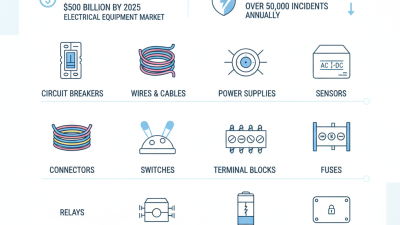
Choosing electrical equipment starts with comparing its job, not its appearance. A circuit breaker protects against faults, while a switch disconnector provides visible isolation. A contactor handles frequent motor switching, but it is not a complete fault-protection device. Match the equipment type to the load, switching frequency, installation method, and maintenance access. Keep the purpose clear.

Read ratings as operating limits, not marketing numbers. Check nominal voltage, continuous current, short-circuit interrupting capacity, insulation level, and frequency. For motors, compare starting current, duty cycle, thermal endurance, and allowable temperature rise. In a dusty or damp enclosure, the ingress-protection rating matters as much as the electrical rating. A higher current rating does not automatically improve performance. It may increase cost, size, and heat dissipation. During site reviews, I record the measured load with a clamp meter and compare it with nameplate data. Small mismatches can reveal future overloads.

Performance specifications should reflect real conditions. Compare response time, power losses, mechanical endurance, noise, and service intervals. Verify test certificates, installation instructions, and compliance with recognized electrical standards. Ask whether replacement parts and technical support remain available. I once focused too heavily on peak capacity and overlooked cabinet ventilation. The equipment passed initial checks, yet heat buildup reduced reliability. That mistake still influences my comparisons. Leave margin, but question every margin. A practical choice balances safety, verified performance, lifecycle cost, and the people who will maintain it.

Check Safety Standards, Certifications, and Installation Requirements

Choosing electrical equipment starts with safety standards, certifications, and installation requirements. Performance alone is not enough.

Check the applicable standard before comparing price or capacity. IEC 60364 addresses low-voltage installation principles, while NFPA 70 provides detailed electrical installation rules in relevant jurisdictions. Certification should match the equipment’s actual use, not merely appear on its packaging.

Verify the certificate number, testing scope, voltage rating, and issuing laboratory. A familiar mark can still be misleading.

Look closely at the nameplate. Confirm rated current, short-circuit capacity, insulation class, ingress protection, and operating temperature. The enclosure must suit the environment, especially near dust, moisture, or corrosive vapors. Installation space matters too. Tight cable bends can weaken terminals and increase heat. They are easy to overlook.

The U.S. Bureau of Labor Statistics recorded 126 workplace fatalities involving electrical exposure in 2020.

That figure shows why installation planning deserves equal attention. Manufacturer instructions, local codes, earthing methods, and qualified inspection should align before energization. In practice, I would photograph terminal connections and record torque values. Small records prevent large arguments later. Still, certification cannot replace judgment; an approved device may fail when installed beyond its tested conditions. Allowing extra capacity is often wise, but excessive oversizing can reduce protection sensitivity. Check the whole system, not one impressive label.

Evaluate Compatibility, Reliability, Maintenance, and Total Cost

How to Choose the Right Electrical Equipment?

Compatibility should be checked at the installation site, not only on a quotation sheet. Confirm voltage, frequency, phase configuration, short-circuit capacity, enclosure rating, ambient temperature, and communication protocols. A cabinet rated for indoor use may fail quickly beside dust, vibration, or condensation. IEC 60364 principles support coordinated protection, but field conditions still demand careful verification. I have seen technically compliant equipment create delays because terminals, cable space, or control signals did not match existing infrastructure.

Reliability requires more than a high MTBF figure. Review fault-clearing performance, thermal margins, overload behavior, testing records, and independent certification. The 2024 Uptime Institute Annual Outage Analysis reported that 54% of respondents experienced an outage costing over $100,000. About one-fifth reported losses exceeding $1 million. Small design compromises can become expensive. They often do.

Maintenance planning should begin before purchase. Check inspection access, diagnostic functions, spare-part availability, and technician training requirements. The U.S. Department of Energy’s Operations and Maintenance Best Practices report associates predictive maintenance with up to 25–30% lower maintenance costs and 35–45% less downtime. These figures are potential results, not promises. A thermal camera cannot compensate for poor procedures or missing records. Total cost includes purchase, installation, energy losses, scheduled labor, emergency repairs, downtime, and disposal. Compare these costs over the equipment’s expected service life. The cheapest quote may only be cheapest on day one.

Select, Install, and Verify the Equipment for Safe Operation

How to Choose the Right Electrical Equipment?

Select equipment by matching its voltage, current, load type, environment, and expected operating time. Check the nameplate carefully. A workshop motor may need different protection than a household lighting circuit. Consider heat, moisture, dust, vibration, and available space before purchase. Use current technical standards and local electrical requirements as references. When calculations seem uncertain, ask a qualified electrician to review them.

Installation should follow the manufacturer’s instructions and an approved wiring plan. Keep cables supported, terminals tight, and protective devices accessible. Leave enough clearance for cooling and future maintenance. I once underestimated heat around a control cabinet, and the installation required later adjustments. That mistake was avoidable. After installation, verify polarity, grounding, insulation resistance, and protective-device operation with calibrated test instruments. Record readings, test dates, and any corrective work. Do not rely on appearance alone; a neat panel can still contain a dangerous fault.

Tips: Label every circuit clearly. Photograph connections before closing covers. Recheck torque settings after initial operation. Test under realistic load when appropriate. If a reading looks unusual, stop and investigate. Rushing verification is a common weakness, even in experienced teams. A second person’s review can reveal missed details.