How to Choose the Right Equipment Wire for Your Project?

How to Choose the Right Equipment Wire for Your Project?

Choosing the right equipment wire can be challenging. "Wires are the lifeline of any electrical project," says John Smith, a leading expert in the equipment wire industry. His insights remind us that every choice matters.

Different projects require different specifications. The correct gauge, insulation type, and length of equipment wire can affect performance and safety. For instance, using a wire that is too thin can lead to overheating. Yet, many overlook these details.

It's easy to assume one wire fits all. However, this is a misconception that can lead to serious issues. Each project has its unique demands. Taking the time to understand these needs is crucial. Experts emphasize this point repeatedly, echoing the importance of making informed decisions. Choosing the wrong equipment wire can have costly consequences.
How to Choose the Right Equipment Wire for Your Project?

Understanding the Types of Equipment Wires Available in the Market

Choosing the right equipment wire is crucial for any project. Many types are available on the market. Understanding these options helps you make the best choice.

Copper wires are common. They conduct electricity well and are durable. However, they can be expensive. Aluminum wires are lighter and cheaper, but they may not conduct as well. Pay attention to how these materials affect your project. Look for wires that suit your specific needs.

Think about insulation too. Different types provide varying levels of protection. Some wires are designed for extreme temperatures. Others are better for moisture-prone environments. This choice often impacts the safety and efficiency of your project. The right insulation can prevent hazards. Take time to understand what you really need. Researching your options is essential.

Equipment Wire Types and Their Uses

Evaluating the Electrical Requirements for Your Project

When evaluating the electrical requirements for your project, begin with understanding the voltage and current demands. Many resources suggest that a wire's ampacity is crucial. For instance, the National Electrical Code (NEC) provides guidelines based on wire gauges and insulation types. Determining the maximum current load is vital. Exceeding this can lead to overheating and potentially, fire hazards.

Tip: Always account for future expansion. If your project might grow, consider a wire with a higher ampacity than initially needed. It’s better to have a little extra capacity.

Assess the installation environment too. Indoor wiring may differ significantly from outdoor setups. Factors like moisture, temperature variations, and exposure to chemicals affect wire selection. A recent study highlighted that 30% of electrical failures stem from improper environmental considerations. Think critically about where and how you’ll use the wire.

Tip: Use cable conduits in harsh environments. This adds a layer of protection, ensuring longevity and reliability. Relying solely on wire specifications without considering the application context can lead to regrets later. Be proactive in your evaluations to avoid costly adjustments down the line.

How to Choose the Right Equipment Wire for Your Project? - Evaluating the Electrical Requirements for Your Project

Wire Type Wire Gauge (AWG) Current Rating (Amps) Voltage Rating (Volts) Application
Copper 14 15 600 Residential Wiring
Aluminum 6 55 600 Heavy-Duty Applications
Thermoplastic 10 30 600 Industrial Equipment
Silicone 12 20 200 High Temperature Applications

Considering Environmental Factors Affecting Wire Selection

How to Choose the Right Equipment Wire for Your Project?

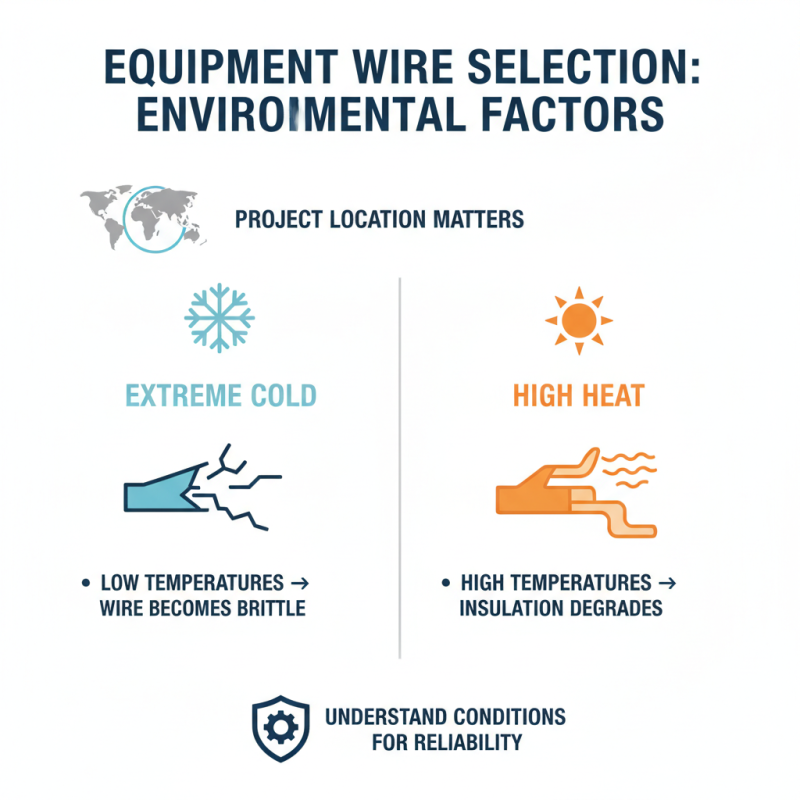
When choosing equipment wire, environmental factors play a crucial role. The project location affects wire performance significantly. For example, temperatures can vary widely. In extremely cold areas, wires may become brittle. Conversely, high heat can degrade insulation materials. Understanding these conditions is essential.

Moisture is another factor to consider. In coastal areas, saltwater can corrode wires. Similarly, high humidity can lead to increased wear over time. Select wires with appropriate coatings. These can provide a protective barrier. Additionally, consider UV exposure if the wire is installed outdoors. UV rays can weaken insulation, leading to failures.

Reflect on the installation environment as well. Will the wire be exposed to chemicals or physical stress? This requires durable materials. It’s easy to overlook these details in the planning stage. A hasty decision could lead to issues later. Take the time to assess the conditions thoroughly. Planning can save you from future headaches.

Analyzing Wire Gauge and Its Importance in Project Design

How to Choose the Right Equipment Wire for Your Project?

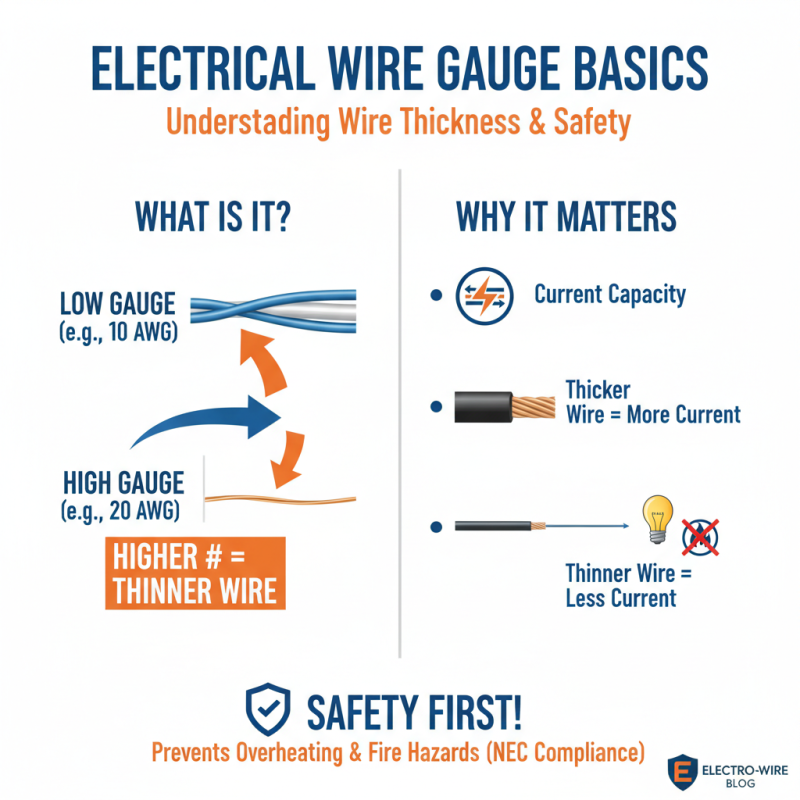
When embarking on a project that requires electrical wiring, understanding wire gauge is crucial. Wire gauge refers to the thickness of the wire. The larger the gauge number, the thinner the wire. This concept is essential because it directly affects the current-carrying capacity. According to the National Electrical Code, using an appropriate gauge minimizes overheating and prevents potential fire hazards.

Commonly, for residential projects, a 14-gauge wire is suitable for lighting, carrying up to 15 amps. In contrast, a 12-gauge wire can handle up to 20 amps, making it ideal for general-purpose outlets. However, many novice installers overlook these specifications, leading to various issues. Utilizing under-gauged wire can result in increased resistance and heat. This could damage wiring insulation over time. Data from industry reports indicate that improper wire sizing is a leading cause of electrical failures in homes.

Furthermore, the environment plays a role in wire gauge selection. In damp conditions, thicker wires may be necessary to combat corrosion and heat. Some projects may demand flexible wiring solutions, which complicate gauge decisions. Paying attention to these factors ensures safety and efficiency. Neglecting wire gauge can lead to setbacks, increased costs, and future problems. Carefully analyzing these details is key to a successfully wired project.

Comparing Cost and Quality of Different Equipment Wire Options

When selecting the right equipment wire, both cost and quality play critical roles. Research shows that lower-cost options often sacrifice durability. The National Electrical Manufacturers Association reports that inferior wires can lead to system failures. These failures can result in project delays and unexpected expenses.

Quality equipment wire can initially seem more expensive. However, investments in higher-grade materials typically provide better performance over time. In a study by the Institute of Electrical and Electronics Engineers, it was found that quality wires directly influence the lifespan of electrical systems. Wires made from premium materials show less degradation, reducing maintenance costs.

When selecting wire, consider performance ratings and insulation types. Many contractors focus too much on immediate savings. This often leads to poor long-term outcomes. Some users may overlook warranties and certifications, which are vital indicators of reliability. A cheaper wire may look attractive now, but it can end up costing more later. Quality should not be compromised for initial savings.