Why Choose the Right Electronic Equipment for Your Business?
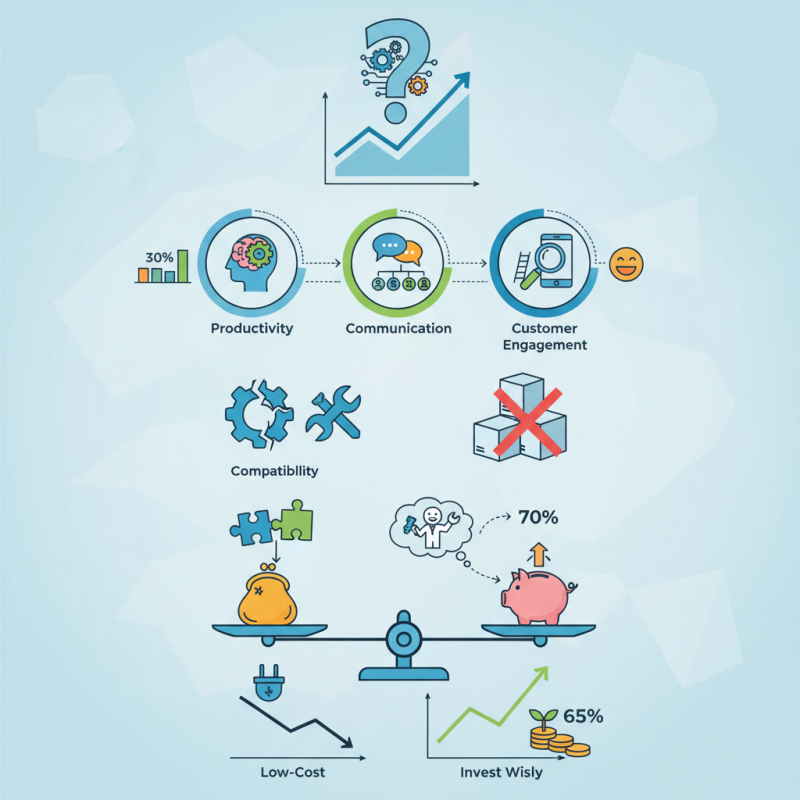
In today's fast-paced business landscape, choosing the right electronic equipment is critical for success. According to a report by the International Data Corporation, companies that invest in high-quality electronic tools see a 30% increase in productivity. The right equipment can streamline operations, enhance communication, and improve customer engagement.
However, the selection process is not straightforward. Many businesses overlook the importance of compatibility and scalability when purchasing electronic equipment. Reports indicate that nearly 70% of staff cite inadequate tools as a barrier to performance. This reveals a pressing need for organizations to align their choices with long-term goals and operational needs.
Businesses must weigh their options carefully. While cheaper alternatives may seem tempting, they often fail to deliver on performance. A 2022 study found that 65% of low-cost equipment led to higher maintenance costs over time. It’s essential to reflect on such decisions and invest wisely to foster growth and efficiency in the long run.
Choosing the Right Electronic Equipment: An Overview
Choosing the right electronic equipment is crucial for any business. It affects productivity, efficiency, and long-term success. With various options available, deciding can be overwhelming. A solid understanding of your specific needs is essential before making a purchase. Evaluate the tasks your team performs daily. This will help you identify what equipment can enhance their performance.
Consider not just initial costs but also long-term benefits. High-quality equipment may have a higher price tag. However, it often leads to fewer breakdowns and reduced maintenance costs. Think about energy efficiency, too. Devices that consume less power can save money on utility bills. Additionally, they minimize the environmental impact of your operations.
It’s easy to get caught up in the latest technology trends. However, not every new device is suitable for your business context. Reflect on your actual requirements instead of chasing what’s popular. Asking your team for feedback on equipment can reveal true needs. It can also uncover frustrating limitations of current setups. Ultimately, aligning equipment choices with specific business goals is vital.
Assessing Business Needs for Electronic Equipment
Choosing the right electronic equipment for your business can significantly influence
productivity and
profitability. A recent report by the
International Data Corporation (IDC) reveals that
70% of small to medium-sized enterprises experience
inefficiencies due to inadequate equipment. This emphasizes the importance of thoroughly assessing your
business needs before making purchasing decisions.
Understanding your specific requirements is crucial. Think about the daily operations and how technology
can enhance them. For instance, if your business relies heavily on data processing,
high-performance computers are a necessity. Research from
Gartner suggests that investing in proper technology
can boost operational efficiency by up to 30%. On
the other hand, selecting equipment that doesn't align with your needs can lead to wasted resources and frustration.
Not all equipment is created equal. Some features may seem appealing but serve little purpose in your
business model. Evaluating the actual usage and potential return on investment can help eliminate the
risk of over-specifying equipment. In a landscape where
40% of businesses report issues with software
compatibility, making informed choices is essential to avoid disruptions. Your equipment should not only
meet current demands but also
adapt to future growth.
Factors to Consider When Selecting Electronic Devices
Choosing the right electronic equipment for your business is critical. Several factors can greatly impact your decision. First, consider your business needs. Assess your daily operations. Identify which devices directly enhance productivity. For example, a study by Statista indicates that businesses can increase productivity by up to 25% when using efficient electronic tools.
Budget limitations are also crucial. The cost of electronic devices can vary significantly. A clear budget helps in narrowing down options. Studies show that investing in quality equipment reduces maintenance costs by an average of 30%. This can lead to long-term savings, allowing funds to be redirected to growth areas.
**Tip:** Always evaluate device compatibility with existing systems. Transitioning to new tech can disrupt workflow. Engage employees in the selection process. Their insights can help choose tools that best fit operational needs. Analyze user reviews and technical specifications to ensure reliability and performance.
Lastly, think about future scalability. Your electronic needs may change as the business grows. Choosing scalable equipment ensures you won't need constant replacements. Companies that select flexible technologies report improved adaptability in dynamic markets. This approach fosters growth without overwhelming your resources.
Why Choose the Right Electronic Equipment for Your Business? - Factors to Consider When Selecting Electronic Devices
| Device Type |
Key Features |
Considerations |
Cost Range |
| Laptops |
Portability, Performance, Battery Life |
Tech Support, Upgradability |
$300 - $2000 |
| Desktops |
Performance, Customization, Upgradability |
Space Requirements, Connectivity Options |
$400 - $3000 |
| Tablets |
Touch Screen, Portability, Battery Life |
App Compatibility, Input Methods |
$200 - $1200 |
| Printers |
Print Quality, Speed, Multifunctionality |
Running Costs, Ink Availability |
$50 - $500 |
| Networking Equipment |
Speed, Range, Security Features |
Scalability, Compatibility |
$100 - $1000 |
Evaluating Cost vs. Value in Electronic Equipment
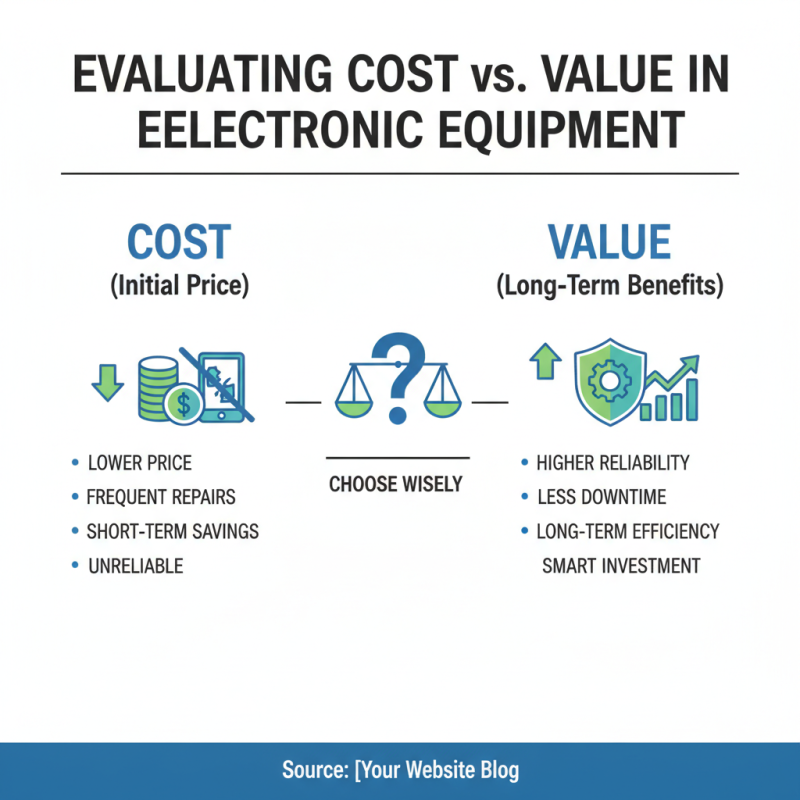
When evaluating electronic equipment for your business, it's essential to focus on cost versus value. Cost often means the initial price, but value shines through in long-term benefits. Cheaper equipment may lure you in, but ticking low prices can lead to frequent repairs. Consider reliability. Equipment that breaks down often isn’t a bargain, even if it seems affordable.
Look at efficiency as another layer of value. High-quality devices can save both time and energy. They allow employees to work more effectively. This can translate into higher productivity. Investing slightly more upfront can yield significant savings over time. If equipment often needs to be replaced, costs can spiral.
Think about warranty and support as well. Reliable equipment usually comes with solid backing. Technical assistance can save frustration down the road. It's wise to think critically about your choices. Not every shiny device will meet your needs or expectations. Reflect on past purchases. Were they worth it? Understanding your actual requirements can guide better decisions.
The Importance of Future-Proofing Your Technology Investments
Investing in the right electronic equipment is crucial for businesses aiming to thrive today and in the future. Future-proofing your technology investments ensures that your assets remain relevant as trends and technologies evolve. According to a report from Gartner, nearly 70% of organizations believe that their current technology investments will become obsolete within the next five years. This highlights the urgency for businesses to choose wisely.
When selecting electronic equipment, consider both performance and compatibility. Each piece of technology should integrate seamlessly with existing systems. A survey conducted by Forrester Research indicated that 62% of companies struggle with outdated technology, which hinders productivity. Companies may save money in the short term, but those savings often lead to greater costs down the line. Running outdated systems can cause inefficiencies and operational headaches.
Moreover, businesses must also reflect on the environmental impact of their technology investments. The lifecycle of electronic equipment can contribute significantly to waste. Data from the International Data Corporation (IDC) shows that businesses will spend more than $2 trillion on technology in 2024, with a significant portion going to systems that might not last. You may need to ask: Is your investment truly sustainable? This scrutiny can shape better purchasing decisions and enhance both performance and responsibility.
Investment in Electronic Equipment for Future-Proofing
This chart illustrates the projected investment in various categories of electronic equipment from 2023 to 2025. The goal of these investments is to ensure that businesses choose technology that will remain relevant and effective in the years to come.