How to Choose the Best PT100 Temperature Sensor for Your Needs?
Selecting the right PT100 temperature sensor can significantly influence your measurement accuracy. These sensors are known for their reliability in various applications, from industrial processes to laboratory experiments. However, choosing the best one involves considering multiple factors, including accuracy, response time, and operating environment.
When looking for a PT100 temperature sensor, one should assess their specific needs. For instance, will you use the sensor in high-temperature environments or in a more controlled setting? Different sensors have varying temperature ranges, so it’s crucial to match the sensor's specifications with your requirements. Additionally, sensor construction materials can affect their durability and performance.
Many users may overlook the impact of installation and calibration on sensor accuracy. This aspect is often underestimated but can lead to significant errors in readings. Reflecting on these details ensures you choose a PT100 temperature sensor that not only meets your needs but also enhances your overall measurement strategy.
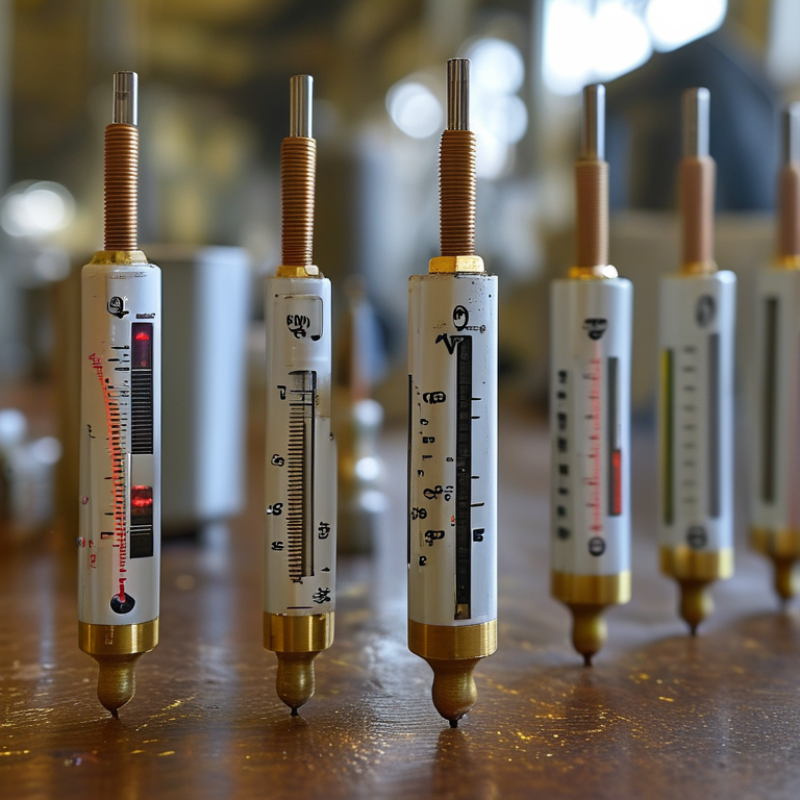
Understanding PT100 Temperature Sensors and Their Principles of Operation
PT100 temperature sensors are crucial for precise temperature measurement. They operate based on the principle that the resistance of platinum increases with temperature. A PT100 sensor has a resistance of 100 ohms at 0°C. This property makes them widely used in various applications, from industrial processes to laboratory experiments.
When selecting a PT100 sensor, consider the environment. Harsh conditions may require robust sensors with protective sheaths. Look for sensors that match your required temperature range. This can prevent inaccurate readings and equipment failure. Calibration is key. Regular checks ensure that the sensor’s performance remains reliable over time.
For installation, take into account the placement of the sensor. Proper positioning can significantly affect accuracy. Ensure that it is in thermal equilibrium with the medium being measured. Sensors should not be exposed to drafts or other temperature influences. This can lead to misleading results. Always refer to the specifications to match your needs and avoid common pitfalls in installation.
Key Specifications to Consider When Selecting PT100 Sensors
When selecting a PT100 temperature sensor, it’s crucial to consider key specifications that impact performance. Here are some essential factors to keep in mind. The temperature range is a primary consideration. PT100 sensors are suitable for ranges from -200°C to 850°C. If your application requires extreme temperatures, look for a sensor designed for those conditions.
Another important specification is accuracy. Most PT100 sensors offer a tolerance of ±0.1°C to ±0.5°C, depending on the class. Higher-class sensors provide better precision for critical applications like laboratory settings. Be aware that a sensor’s response time can also vary. Standard response times range from 0.5 seconds to 5 seconds. This can affect real-time data collection.
In terms of physical construction, consider the material of the sensor. Stainless steel is common and provides durability, but it may not be suitable for all environments. If your application involves corrosive substances, materials like Teflon are preferable.
When selecting a PT100 sensor, ensure that the installation method aligns with your project requirements. Shared environments may require additional shielding for electrical noise reduction. By aligning specifications with your specific use case, you can avoid common pitfalls in sensor selection. Always assess your needs before making a final decision.
Comparing Different Applications for PT100 Temperature Sensors
When considering what PT100 temperature sensor to choose, it’s essential to understand their various applications. PT100 sensors excel in industrial processes, HVAC systems, and scientific research due to their accuracy and reliability. In industrial settings, they measure temperatures in harsh environments, often facing dust and moisture. This makes careful selection key since different applications can significantly affect performance.
A common mistake is neglecting environmental factors. When selecting a PT100 sensor, consider the specific conditions it will face. For outdoor applications, robust housing is crucial. Indoor settings may require less durable options.
When measuring in food processing, accuracy and compliance with safety standards are critical. In laboratories, a high degree of precision is vital for reproducibility. Calibration is equally important and can impact results. Regular checks and adjustments help maintain accuracy over time.
Understanding application requirements will lead to better choices. Explore different configurations and materials. Each choice impacts durability and performance. The best sensor for one situation may not suit another. Evaluate limitations and reflect on possible challenges in your specific use case.
Evaluating Accuracy, Stability, and Response Time in PT100 Sensors
When selecting a PT100 temperature sensor, evaluating accuracy, stability, and response time is critical. Accuracy is often the most crucial factor. According to industry standards, a high-quality PT100 sensor can achieve an accuracy of ±0.1°C. This makes it suitable for applications that demand precise temperature measurements. Sensors with better calibration techniques tend to perform consistently.
Stability is closely linked to sensor materials and construction. A PT100 sensor made with high-grade materials can maintain stable readings over extended periods. Some reports indicate that stability can drift over time if the sensor isn't properly maintained. Regular calibration checks are essential to ensure long-term reliability.
Response time is another crucial element. PT100 sensors can have response times ranging from a few seconds to several minutes, depending on the sensor design. Fast response times are essential in dynamic environments, such as industrial processes. Inadequate response can lead to incorrect readings and affect overall system performance.
Consider using sensors with faster thermal time constants for quicker measurements. Monitor the environment for changes that may affect readings. Regularly review specifications and performance reports to stay informed on advancements in sensor technology. This approach can help ensure optimal performance from your chosen PT100 sensor.
Cost Analysis: Budgeting for PT100 Temperature Sensors and Accessories
When budgeting for PT100 temperature sensors and accessories, it's essential to analyze costs accurately. According to the latest industry reports, PT100 sensors can range from $50 to $200, depending on their specifications. Factors such as accuracy, resistance tolerance, and temperature range contribute significantly to price differences. Accessories like connectors, cables, and protective sheaths add additional costs, often increasing the total expenditure by up to 30%.
Effective budgeting requires consideration of the total cost of ownership. This includes initial purchase costs and any potential maintenance expenses. Reports suggest that high-end sensors offer greater reliability, which might justify their higher upfront costs. However, lower-priced options may fail to perform over time, leading to more frequent replacements. This can create long-term expenses that exceed initial savings.
When analyzing your budget, consider the environment where the sensor will be used. Harsh conditions can require more expensive, ruggedized equipment. Regularly revisiting your budget plans is crucial. Document every expense related to the sensors for better tracking. Make adjustments based on initial findings and evolving project requirements. Prioritize quality to avoid unforeseen future expenses.
How to Choose the Best PT100 Temperature Sensor for Your Needs? - Cost Analysis: Budgeting for PT100 Temperature Sensors and Accessories
| Parameter | Description | Estimated Cost ($) |
| Temperature Range | -50°C to 250°C | 50 |
| Accuracy | ±0.1°C | 10 |
| Material | Stainless Steel | 30 |
| Cable Length | 1 meter | 5 |
| Connectivity | 4-Wire Connection | 15 |
| Calibration | Factory Calibration | 20 |
| Accessories | Mounting Bracket | 25 |
| Total Estimated Cost | N/A | 155 |