
Where to Buy the Best Lighting Fixtures in China?

Where to Buy the Best Lighting Fixtures in China?

Choosing where to buy the best Lighting Fixtures in China means looking beyond price and polished product photos. The International Energy Agency has estimated that lighting accounts for about 15% of global electricity use and 5% of greenhouse-gas emissions. That makes efficiency, durability, and accurate product specifications more than minor details. Buyers should compare measured lumen output, color temperature, color-rendering index, driver quality, and warranty terms—not just wattage.

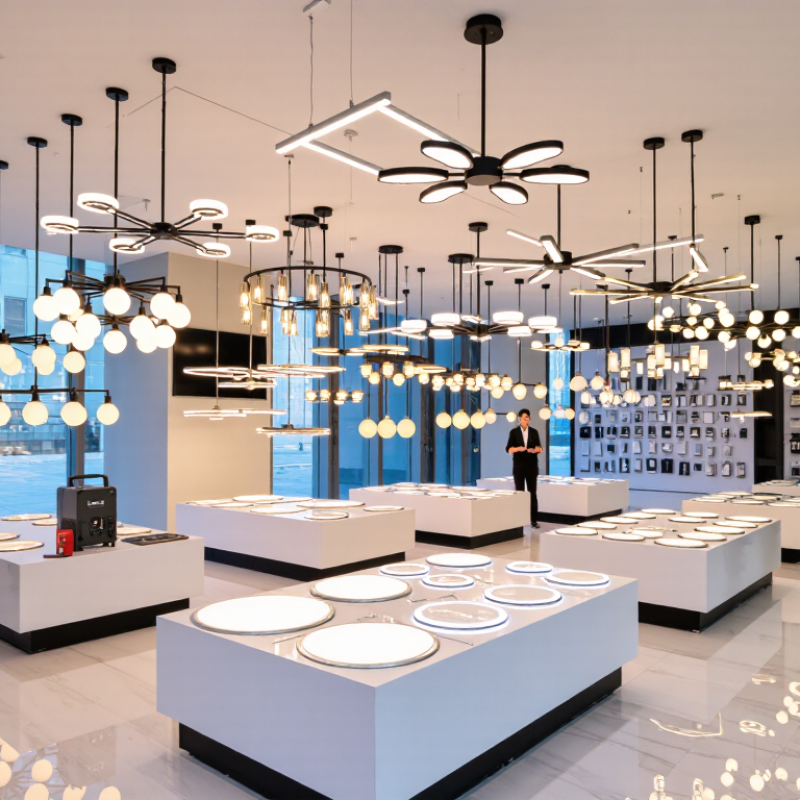
China offers several sourcing routes. Zhongshan’s Guzhen town is a major lighting cluster, while suppliers and showrooms can also be found in Guangzhou, Foshan, and online wholesale marketplaces. Each route suits a different buyer: showrooms help with hands-on comparisons, manufacturers may offer customization, and marketplaces make supplier screening easier to begin. But a listing is not proof of factory capability. Ask for current test reports, clear component details, production photos, and references for similar orders. Request samples before committing; inspect finish, brightness, flicker, and packaging in person. Small checks matter.

Industry reports provide useful context, not a guarantee of supplier quality. The IEA’s energy analysis explains why efficient lighting matters, but it cannot tell you whether a particular fixture will perform well in your project. That part takes verification. Check whether specifications match the sample and final shipment, and clarify lead times, replacement policies, and communication in writing. I would not choose on the lowest quote alone. It can be tempting, and sometimes the cheaper option is fine—but unexplained price gaps deserve a closer look.
Where to Buy the Best Lighting Fixtures in China?

What Defines a High-Quality Lighting Fixture in China

Where to Buy the Best Lighting Fixtures in China?

What Defines a High-Quality Lighting Fixture in China

A high-quality fixture should perform well after installation, not merely look polished in a showroom. Check measured light output and efficacy in lumens per watt, plus color rendering, color temperature, and flicker data. The IEA reports that LEDs exceeded half of global lighting sales in 2022. That shift makes efficiency a baseline, not proof of quality. Numbers help.

Ask suppliers for test reports tied to the exact model, driver, and configuration you plan to order. Review thermal management, warranty terms, and rated lifetime; a hot driver inside a tightly sealed housing can shorten service life. For kitchens, compare color rendering under the same neutral-white setting. A printed specification sheet cannot show every real-world color shift.

For sourcing in China, assess factory quality controls, sample consistency, and whether certificates match the product and destination market. The IEA estimates lighting uses about 15% of global electricity, so efficient choices matter beyond the showroom. Still, one sample is not enough. Batch variation can happen, and I would want production samples checked before a large order. A low price may reflect simpler materials, but it does not automatically mean poor performance.

Which Chinese Lighting Markets and Manufacturing Hubs to Explore

Zhongshan’s Guzhen is the strongest starting point for comparing lighting fixtures at scale. Its showrooms and wholesale streets display chandeliers, recessed lights, outdoor fittings, and components side by side. Bring room dimensions and reference photos. Ask about materials, driver specifications, color temperature, warranty terms, and minimum order quantities. The China Association of Lighting Industry reported roughly US$55 billion in lighting-product exports in 2023. That figure signals a substantial supply base, not consistent quality. Inspect samples carefully.

For decorative fixtures and home-lighting ranges, explore Foshan’s furniture and building-material districts. The surrounding manufacturing network can make it easier to compare finishes and coordinate products for a renovation. Shenzhen is more useful when sourcing LED systems, controls, and connected lighting; it is less focused on traditional decorative showrooms. Yiwu suits buyers seeking compact, lower-volume household lights and accessories. Each hub has a different strength. Don’t assume one visit covers everything.

A practical route is Guzhen for fixture selection, then Foshan or Shenzhen for specialized comparisons. Request written specifications and confirm whether samples match the eventual production batch. Check packaging, spare parts, and lead times in person where possible. A polished display can hide uneven finishing. I have seen buyers focus on price and overlook driver compatibility; that mistake can cost more after installation. A second sample review is worth the time.

How to Find Reliable Lighting Fixture Suppliers

Finding a reliable lighting fixture supplier in China takes more than comparing prices. Start with a clear specification: fixture dimensions, metal thickness, finish, light output, color temperature, color rendering, and required voltage. Ask whether the supplier manufactures the product or coordinates production through other factories. That distinction can affect lead times and quality control. Request recent product photos, a factory video call, and a sample made to your specification. Check that test reports and product documents match the exact model, not merely a similar fixture.

Tips: Compare samples under the same lighting conditions. Inspect joints, paint edges, wiring, and packaging. Ask for a written quotation showing sample fees, production time, packing details, and inspection terms. Keep records. Small details matter.

Before placing a large order, agree on a quality checklist and decide how finished goods will be inspected. Ask for references from buyers with similar products and markets. A supplier’s quick, specific answers can be more useful than a polished catalog, though they are not proof on their own. No checklist catches every problem. I would still allow time for revisions; even a good sample may not reflect every unit in a full production run.

Where to Buy Lighting Fixtures in China? Logistics Indicators for Supplier Sourcing

China’s 2018 World Bank Logistics Performance Index offers national-level context when comparing sourcing options. The scores are out of 5 and describe the country’s logistics environment—not individual suppliers.

Source: World Bank, Logistics Performance Index 2018. Verify each supplier’s product certifications, quality controls, shipping terms, and export experience separately.

How to Compare Product Quality, Prices, and Certifications

When comparing lighting fixtures from Chinese suppliers, ask for the exact model specifications, not just a catalogue photo. Check the housing material, finish, light output, color temperature, and color-rendering index. For LED products, request details about the driver and flicker performance. A warm-white sample may look pleasant in a showroom but feel too yellow in a real room. Check the details.

Compare prices on the same basis: matching specifications, order quantity, packaging, and delivery terms. A lower unit price may exclude testing, spare parts, or protective packaging. Ask for a written quotation that separates these costs. Request a production sample and inspect its weight, finish, wiring, and light consistency. Small differences matter. Still, one sample cannot prove every production unit will match; variation is possible, so agree on inspection criteria before ordering.

Certifications should fit the product and the market where it will be sold. Request current test reports and certificates, then confirm that the listed model and factory match your order. Where possible, verify documents with the issuing organization rather than relying on a supplier’s logo or screenshot. Also ask how quality checks are recorded during production. This takes time, and it may feel overly cautious. For lighting, however, clear documents and comparable quotes are more useful than a confident sales promise.

How to Purchase and Ship Lighting Fixtures from China

Buying lighting fixtures in China is easier when the specification is clear before requesting quotations. List the fixture type, dimensions, finish, input voltage, color temperature, and expected quantity. For commercial projects, confirm light output and color rendering requirements too. Small details matter. A supplier’s product photos cannot confirm how a finish looks under your own lighting, so request a sample when appearance or fit is critical.

Before placing a bulk order, review the sample and confirm that the production version will match it. Ask for the relevant test reports and verify that the product meets the requirements of the destination market. Check packaging details, including protective foam and carton dimensions; a fragile glass shade needs different protection from a metal fixture. Get the price, lead time, payment schedule, and shipping terms in writing. Keep records. Even a careful checklist can miss a detail, so recheck specifications before approving production.

For shipping, compare air freight for urgent, smaller orders with sea freight for heavier shipments. Ask for the shipment’s gross weight, carton count, and estimated dispatch date, then request a written freight quote. Clarify who handles export arrangements, insurance, and destination charges under the agreed shipping terms. Prepare the commercial invoice and packing list, and work with a qualified customs broker to confirm local import requirements. Build in time for inspection and transit delays; delivery estimates are not guarantees.

Where to Buy the Best Lighting Fixtures in China? - How to Purchase and Ship Lighting Fixtures from China A practical guide to sourcing, product checks, order planning, and international shipping
Stage or Option Best Suited For What to Check or Request Practical Buying and Shipping Guidance
Lighting manufacturing cluster Buyers comparing multiple decorative, residential, and commercial lighting suppliers. Product range, factory or trading-company status, production capability, export experience, and references for similar orders. Guzhen in Zhongshan, Guangdong, is a major lighting industry cluster. Contact suppliers before visiting and arrange product meetings in advance.
Direct supplier sourcing Importers with defined specifications and repeat-order potential. Business registration details, product drawings, bill of materials where relevant, quality-control process, and written quotation. Compare like-for-like quotations, including finish, driver, accessories, packaging, warranty terms, and trade terms. Minimum order quantities vary by supplier and product.
Lighting wholesale markets Buyers who want to inspect a broad selection in person or source readily available designs. Whether the seller is the manufacturer or a reseller, stock availability, product consistency, and who handles export documents. Confirm that displayed samples match the goods that will be shipped. Request a written specification and order confirmation before paying a deposit.
Product specification All buyers, especially those ordering LED fixtures or customized products. Fixture dimensions, materials, finish, input voltage and frequency, wattage, lumen output, color temperature (K), color rendering index (CRI), IP rating, and dimming method. Check that electrical specifications match the destination market and installation. Confirm dimmer and driver compatibility rather than relying on a general “dimmable” description.
Samples and compliance First-time orders, custom designs, and products subject to destination-market requirements. Pre-production sample, test reports for the exact model, labels, manuals, and applicable safety and EMC requirements. Evaluate the sample for light quality, finish, assembly, and packaging. Requirements differ by destination; IEC 60598 is a widely used luminaire safety standards series, but it does not replace local import rules.
Production and inspection Orders where defects, finish variation, or missing components would be costly. Approved reference sample, inspection criteria, carton markings, quantity, accessories, and inspection arrangements. Agree in writing on tolerances and acceptance criteria. Consider inspection before shipment, particularly for customized or higher-value orders.
Express courier Samples, documents, and small, time-sensitive parcels. Parcel dimensions and weight, battery contents if any, delivery address, and import taxes or fees. Often the simplest option for samples. Door-to-door transit is commonly measured in days, but service, customs clearance, and destination affect timing and cost.
Air freight Urgent or relatively high-value shipments that are unsuitable for parcel service. Chargeable weight, airport handling, packing, customs documents, and final delivery arrangements. Plan for airport-to-airport transit commonly measured in several days; allow extra time for handling, customs, and inland delivery. Compare total landed cost, not just the freight quote.
Sea freight: LCL or FCL Bulky or heavier orders where longer transit time is acceptable. Shipment volume, carton dimensions, pallet requirements, port charges, cargo insurance, and destination delivery terms. LCL shares container space; FCL uses a dedicated container. Ocean transit can take several weeks and varies by route, sailing schedule, and port congestion. Protect fragile shades and finishes with suitable inner and outer packaging.
Export and import paperwork Every commercial shipment. Commercial invoice, packing list, shipping instructions, product descriptions, declared values, and any required certificates or test documents. Confirm the correct customs classification with a qualified customs broker for the destination country. Import duties, taxes, clearance fees, and product rules depend on the goods and destination.
Planning note: Supplier minimums, production schedules, freight rates, and transit times vary by product, season, destination, and order terms. Obtain current written quotations and confirm all specifications and delivery responsibilities before placing an order.