
What Is the Best Cuplock Scaffolding for 2026?

What Is the Best Cuplock Scaffolding for 2026?

Choosing the best Cuplock Scaffolding for 2026 is not about finding the thickest steel or the lowest quote. It is about matching load capacity, bay dimensions, locking-cup fit, corrosion protection, and site conditions. A cup that resists seating, or a ledger that arrives slightly bent, can slow a crew before the first platform is ready.

The safety stakes are real. OSHA’s scaffold guidance cites an older estimate of about 4,500 scaffold-related injuries and 60 deaths each year in the United States; this is a historical estimate, not a current annual count. OSHA’s construction standard also requires each scaffold and component to support its own weight and at least four times the maximum intended load. Former OSHA Assistant Secretary John L. Henshaw is a relevant safety authority, but I could not verify a Cuplock-specific quotation from him. Inventing one would weaken this guide.

So this comparison focuses on evidence buyers can check: steel grade and tube wall thickness, load tables, wedge and cup tolerances, galvanizing quality, compatible components, and documented inspection practices. Ask suppliers for test records, not just polished catalog photos. One detail is easy to miss: a system can look robust in a yard and still perform poorly when mixed components create loose connections. The best choice is the one that fits the actual job, arrives consistently, and can be inspected without guesswork.
What Is the Best Cuplock Scaffolding for 2026?

What Is Cuplock Scaffolding and How Does It Work?

What Is the Best Cuplock Scaffolding for 2026?
What Is Cuplock Scaffolding and How Does It Work?

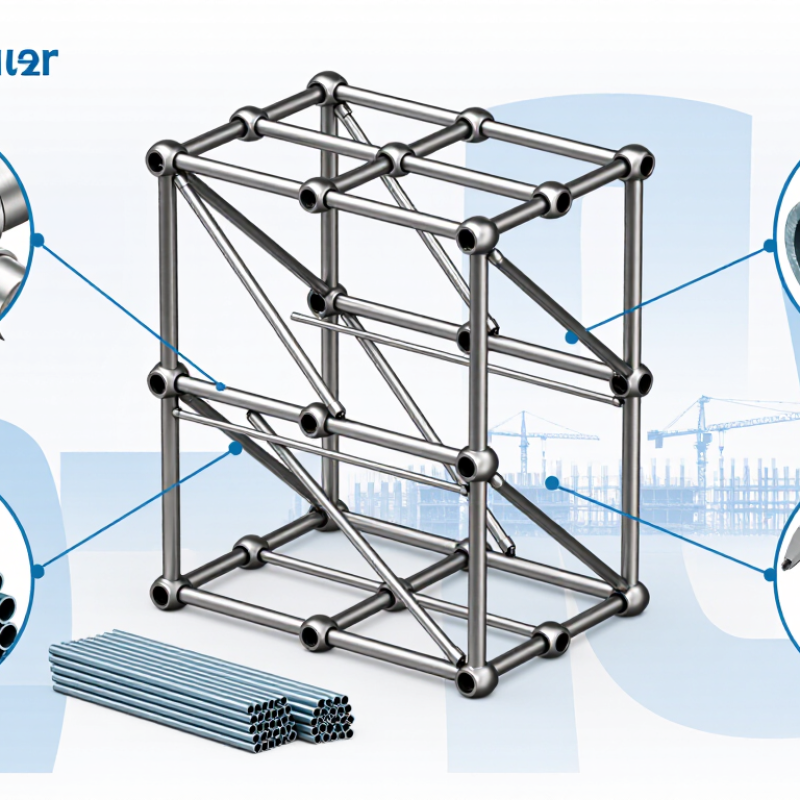
Cuplock scaffolding is a modular system built from vertical standards, horizontal ledgers, and steel locking cups. Each standard has fixed lower cups at set intervals. A ledger’s end blade fits into a cup, then a sliding upper cup secures the connection. One node can hold several ledgers, creating a firm junction without separate nuts and bolts at every connection. That makes assembly straightforward. It still requires trained workers and careful checks.

The system is commonly used for building façades, industrial maintenance, and concrete support. Standards carry loads downward to base plates and firm ground, while ledgers and diagonal braces help resist movement. Working platforms, guardrails, access points, and ties must suit the site and the intended load. Details matter. A damaged cup, uneven base, or missing brace can affect stability, even if the frame looks complete.

Tips: Check that each blade sits fully in its cup and the locking cup is seated securely. Look for bent tubes, worn joints, and loose foundations before use. Keep the structure level as it rises. Do not assume the modular design makes every layout safe; have a competent person assess the setup, load, and site conditions.

What Is the Best Cuplock Scaffolding for 2026?

Cuplock scaffolding uses rosette-style cup connections to lock horizontal ledgers and other members to vertical standards. The chart shows the distributed platform loads defined for scaffold load classes in EN 12811-1; it is a reference for comparing intended duty, not a rating for every cuplock setup.

Choose a system based on the required load class and project design. Actual safe capacity depends on factors such as bay dimensions, lift height, ties, bracing, foundations, and the manufacturer’s design data.

Which Components Define a Reliable Cuplock System?

What Is the Best Cuplock Scaffolding for 2026?
Which Components Define a Reliable Cuplock System?

A reliable cuplock system starts with standards that stay straight under load and connect securely at each cup joint. Check the steel grade, wall thickness, weld quality, and corrosion protection against the supplier’s technical data. Cups should seat firmly without hammering or excessive play. Small defects matter.

Ledgers and transoms must fit their connection points cleanly, while diagonal braces help control sway. Base jacks need enough adjustment range for the actual ground conditions, and sole boards can spread loads on softer surfaces. Platforms should sit securely and provide a stable working surface. On a busy site, mismatched parts can look compatible until assembly begins. Verify component compatibility before installation, and have the scaffold configuration checked against its intended loads by a competent person. Product documents help, but they cannot replace a site-specific assessment.

Tips: Before use, check for bent tubes, cracked welds, loose joints, and damaged platforms. Keep a simple inspection record. No checklist catches everything, so investigate unusual movement or gaps instead of assuming they are harmless.

What Is the Best Cuplock Scaffolding for 2026? - Which Components Define a Reliable Cuplock System?

Component or criterion Role in the system What to look for Practical reliability check
Standards (vertical posts) Carry scaffold loads down to the base and provide connection points for ledgers and transoms. Consistent tube dimensions, straight members, securely attached lower cups, and compatible node spacing throughout the system. Check for dents, cracks, corrosion, bent ends, loose cups, and clear identification of the system and its rated components.
Ledgers and transoms Connect standards, define scaffold bays, and support the working-platform arrangement. Correct lengths for the planned bay layout; intact end blades that seat fully in the cups; no visible deformation or damaged welds. Confirm that each blade fits its matching cup and that the connection locks as intended. Do not mix incompatible systems.
Cup-and-blade connections Create the node connections between standards and horizontal members. Cups should move and secure as designed, with no cracks, severe wear, distortion, or obstructing debris. Assemble a sample bay before use. Check that all required members seat fully and that the locking cups cannot be left partially engaged.
Diagonal bracing Helps resist sway and maintain the scaffold’s stability. Braces and their fittings must match the bay geometry and be included wherever required by the design or applicable guidance. Verify brace locations against the approved scaffold design; check that connections are secure and members are not bent or damaged.
Base plates and adjustable base jacks Transfer loads to the supporting surface and allow limited leveling at the base. Sound bearing plates, straight threaded stems, usable adjustment nuts, and adequate bearing on suitable sole boards or foundations. Check ground capacity, drainage, and level. Keep jack extension within the system designer’s limits and never use loose packing as a substitute for proper support.
Working platforms and access Provide the working surface and a safe route onto and through the scaffold. Platforms should be suitable for the intended duty, properly supported, secured against displacement, and arranged to avoid unsafe gaps. Check platform condition, support, access openings, and safe ladder or stair access. Keep platforms clear of excess materials.
Guardrails, toe boards, and edge protection Help prevent falls of people and materials from exposed platform edges. Use compatible components and install edge protection at locations required by regulations, the design, and the work conditions. Inspect every exposed platform edge and access opening. Confirm components are secure and positioned according to local requirements.
Ties and anchorage Connect the scaffold to a suitable supporting structure to help control movement and overturning. Locations, tie pattern, and anchor capacity should follow the scaffold design and account for site conditions such as wind and sheeting. Confirm that anchors are installed in sound material and that ties are not removed or altered without approval from a competent person.
Load rating and design Define the intended scaffold duty and ensure the arrangement can safely support its expected loads. Use a design or configuration appropriate to the site, height, bay layout, access, loading, ground conditions, and applicable local standards. For context, EN 12811-1 defines working-area load classes from 1 to 6, with uniformly distributed loads from 0.75 to 6.0 kN/m². The correct class must be selected for the task.
Material condition and traceability Support consistent assembly, inspection, maintenance, and replacement of components. Prefer components with documented material specifications, manufacturing quality controls, inspection guidance, and clear system identification. Quarantine components with cracks, significant corrosion, bent members, damaged threads, loose welds, or uncertain compatibility until assessed.

Selection note: No single component makes a cuplock scaffold reliable on its own. Select a complete, compatible system and have its layout, loading, ties, foundations, erection, and inspection determined by competent personnel in accordance with the applicable local rules and manufacturer’s technical documentation.

How Do Cuplock Systems Compare by Load, Durability, and Setup?

Choosing the best cuplock scaffolding for 2026 starts with the actual work, not a headline load rating. Compare the permitted load for the complete tower, including its height, bay size, bracing, ties, and supporting ground. A standard component rating cannot describe every assembled structure. Check the supplier’s configuration data and have a qualified person verify the planned arrangement.

Load matters. So does stability.

Durability depends on steel quality, protective finish, weld consistency, and how parts are stored and handled. Before use, check standards for bent ledgers, damaged cups, cracked welds, and heavy corrosion; a single poor connection can undermine an otherwise sound bay.

Setup is often quick because ledgers lock into fixed cup positions, reducing loose fittings and repetitive fastening. Yet speed varies with access, crew training, and whether the base is level. A rushed build can erase the time saved.

There is a trade-off: fixed connection points make assembly predictable, but unusual layouts may need careful planning and compatible components. Compare systems using the same bay dimensions, duty requirements, inspection criteria, and setup conditions.

Small differences count. Even a modest increase in handling effort can matter across a large site.

Where Is Cuplock Scaffolding Best Suited for Use?

What Is the Best Cuplock Scaffolding for 2026?

Where Is Cuplock Scaffolding Best Suited for Use?

Cuplock scaffolding works especially well on projects with repeated bays and predictable access needs. Building façades, warehouses, and large construction sites often fit this pattern. Its node connections can help crews assemble consistent working platforms across long runs. That matters. For suitable designs, it can also support formwork and temporary shoring, provided a qualified person verifies the layout and loads.

Industrial maintenance is another practical use. Around plants or large equipment, crews may need stable access at several levels. Cuplock’s modular arrangement can suit these tasks, but tight spaces, uneven ground, and complex obstacles may require careful planning. It is not a cure-all. A system that looks simple on paper can become awkward around pipes, ledges, or changing elevations. Site conditions should guide the choice, not speed alone.

Tips: Check ground firmness, access routes, platform loads, and tie locations before assembly. Follow the system’s technical instructions, and have the completed scaffold inspected by a competent person. Keep the layout straightforward where possible. Small site changes can affect stability, so reassess the scaffold when conditions shift.

How to Choose the Best Cuplock Scaffolding for 2026

Choosing the best cuplock scaffolding for 2026 starts with the job, not the lowest quote. Record the working height, bay length, platform width, access points, and heaviest expected load. The U.S. Bureau of Labor Statistics reported 1,069 construction worker deaths in 2022; 395 involved falls. That figure makes safe access and stable platforms practical selection priorities, not small print. OSHA’s scaffold standard requires scaffolds to support their own weight and at least four times their maximum intended load. Treat that as a design requirement, not permission to overload a platform.

Check that the supplier provides clear load charts, component specifications, and inspection records. Look closely at standards, ledgers, locking cups, braces, and base jacks; damaged welds or parts that do not seat firmly deserve attention. Ask whether components from separate deliveries are verified as compatible. On site, uneven ground can undermine an otherwise sound frame, so plan suitable base support before assembly. A polished catalogue is not proof of dependable equipment. The awkward part is that small details, like a loose cup or missing brace, are easy to overlook when a crew is rushing. Keep the setup matched to the actual work and have a competent person inspect it before use.